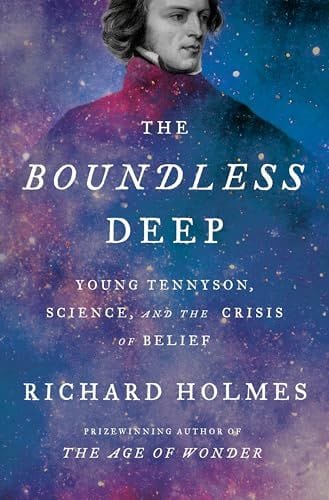
Our Take
Richard Holmes is one of the great literary biographers working in English — the author of definitive lives of Shelley and Coleridge, and of The Age of Wonder, his magnificent account of the Romantic era's entanglement with science. The Boundless Deep extends that project into the Victorian age, and the choice of Tennyson as its central figure is inspired. No poet of the period felt the collision between faith and science more acutely or rendered it more beautifully. Holmes understands that intellectual history is only interesting when it is also personal history — when the ideas are shown doing real work on real people. The young Tennyson he portrays here is not the Laureate of received wisdom but a genuinely anxious, searching mind trying to hold together a coherent worldview as the ground shifted beneath him. The tension between wonder and dread that Holmes identifies in "The Kraken" turns out to be the key to everything. Readers who loved The Age of Wonder will find this essential. Those drawn to Andrea Wulf's The Invention of Nature or Jenny Uglow's work on the intersection of art and science will be equally at home. Holmes writes intellectual history with the propulsion of biography and the attentiveness of literary criticism — a rare and genuinely pleasurable combination.