Our Take
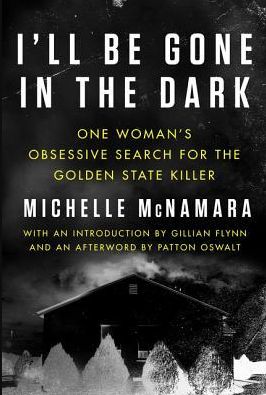
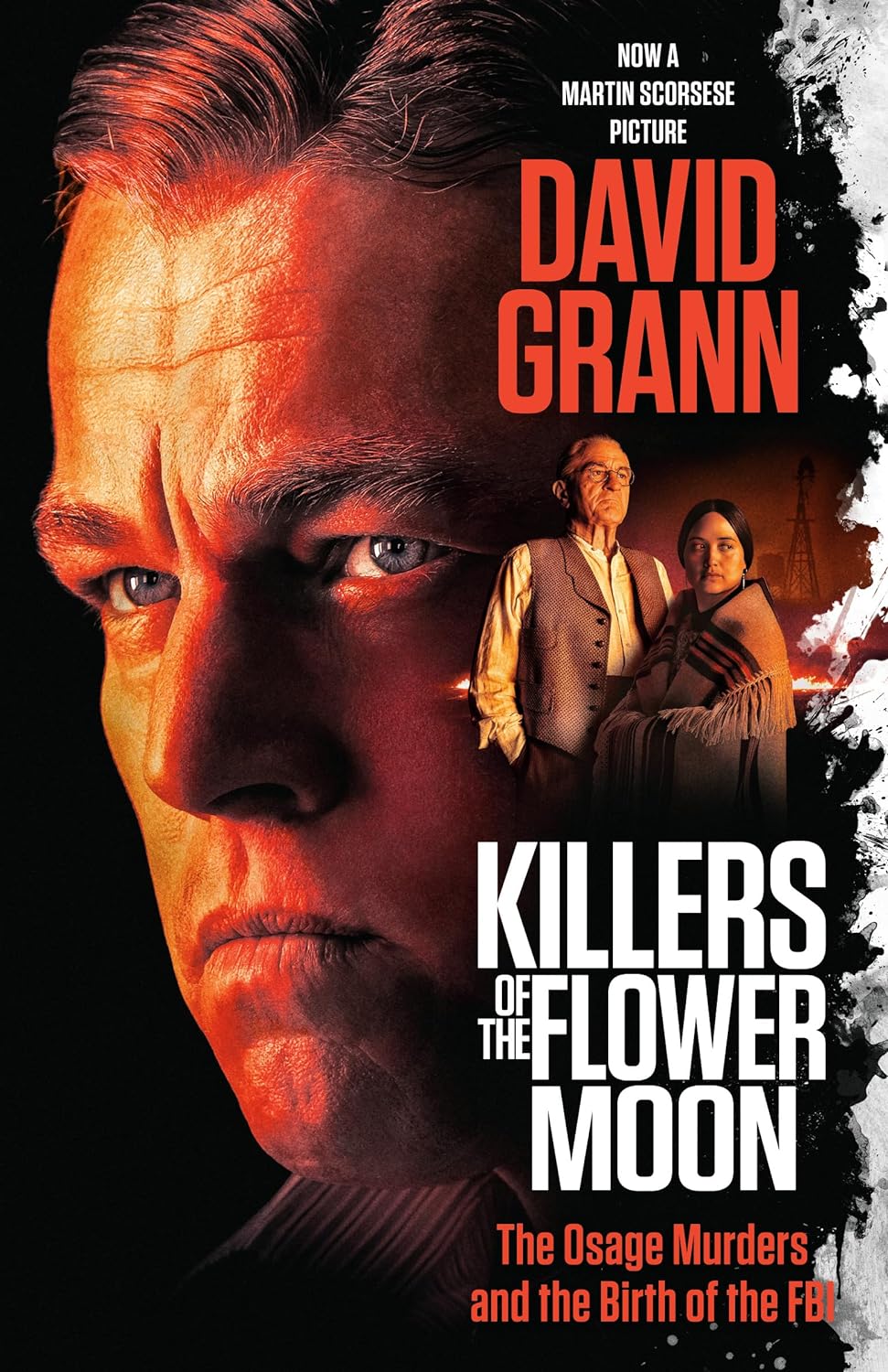
Grann has a gift for finding stories that feel too outrageous to be true and then proving, meticulously, that they are. Killers of the Flower Moon sits alongside his other work like The Lost City of Z in its blend of obsessive research and narrative propulsion, but this book hits differently because the crime at its center isn't exotic adventure, it's systemic American violence against Indigenous people that was essentially sanctioned by silence. Readers who loved the slow-burn dread of I'll Be Gone in the Dark will recognize that same patient unspooling of a investigation here, except Grann adds a third act that most true crime books don't attempt: an accounting of how institutions themselves were shaped by the crime, not just the individuals who committed it. It also pairs well with Evicted in its willingness to indict structural failure rather than settle for a single villain. What makes this one essential rather than just well written is the moral clarity Grann brings without ever lecturing. He lets the Osage family's own words and records carry the weight. It's a tough read emotionally, but it's the kind of true crime that actually earns the genre's claim to matter beyond entertainment.