Our Take
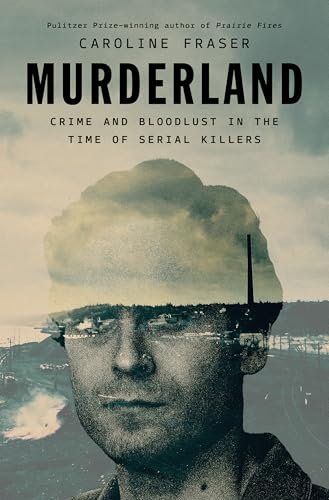
Caroline Fraser won a Pulitzer for Prairie Fires, and she brings that same patient, research-driven rigor to true crime here, except the genre conventions get upended almost immediately. Instead of a chronological killer profile, Murderland is an environmental history wearing a true crime coat, and that structural gamble is what makes it memorable. Readers who loved the investigative sprawl of Killers of the Flower Moon will recognize the same willingness to let a slow-building argument take precedence over tidy narrative beats. Fans of David Grann's patience, or Jon Krakauer's knack for folding memoir into reportage, will find a kindred approach here too. Where Murderland diverges from typical serial killer books, like The Stranger Beside Me, is its refusal to center the killers' psychology at all. Instead it asks a bigger, stranger question about causation and culpability, pointing fingers at ASARCO and other polluters as much as at Bundy himself. It won't satisfy readers wanting a straightforward profile, and the connective tissue between lead exposure and individual violence is more suggestive than proven. But as an ambitious reframing of a well worn genre, it's hard to put down and harder to stop thinking about afterward.