Our Take
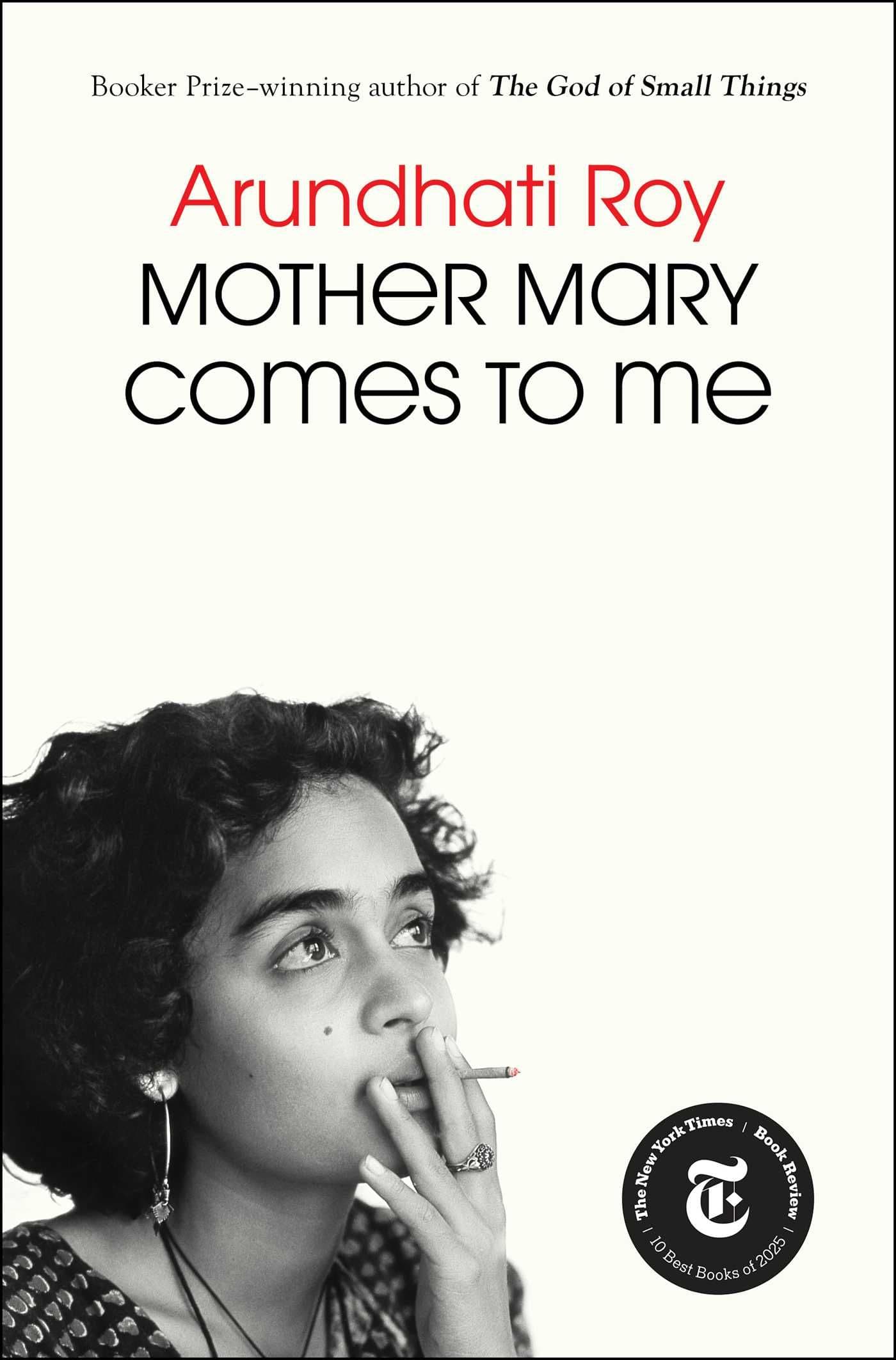
Arundhati Roy has spent decades writing about power, injustice, and the texture of lives lived at the margins — and in Mother Mary Comes to Me she turns that same unflinching attention inward. The result is one of the more remarkable literary memoirs in recent memory. Roy is a precise and unsparing observer, and she applies that precision to her own history without softening the difficult parts — the escape at eighteen, the years of complicated distance, the grief that arrived harder than expected. Mary Roy herself emerges as a fully realized character: maddening, inspiring, and irreducible. What makes this memoir exceptional is Roy's refusal to resolve the contradictions. Her mother was her shelter and her storm, and Roy holds both truths simultaneously without forcing a reconciliation that didn't exist in life. Readers who loved Maggie Nelson's The Argonauts or Saidiya Hartman's Wayward Lives, Beautiful Experiments will recognize the same commitment to memoir as a form of serious literary inquiry. Essential reading.