Our Take
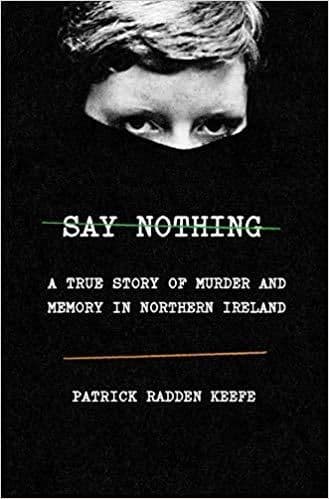
Patrick Radden Keefe has written a masterpiece of investigative journalism that reads with the tension of a thriller while maintaining rigorous ethical standards and historical accuracy. Say Nothing succeeds because Keefe refuses simple narratives about heroes and villains, instead showing how ordinary people become capable of extraordinary violence when caught in impossible political situations. The book's structure is brilliant—using Jean McConville's disappearance as the central mystery while weaving in the stories of IRA members like Dolours Price and Brendan Hughes, whose testimonies provide insider perspective on the organization's operations and moral compromises. Keefe's prose is elegant and propulsive, making complex political history accessible without oversimplification. What makes this essential reading is how it grapples with questions that remain unresolved: How does a society move forward when perpetrators and victims must live side by side? When does political violence become terrorism? Can there be reconciliation without accountability? The book's exploration of the Belfast Project oral history archive adds another layer of complexity about memory, truth-telling, and the costs of breaking silence. Keefe humanizes all sides without excusing atrocities, creating profound empathy for McConville's children while also showing the psychological toll on those who committed violence in the name of political ideals. For readers who loved There There by Tommy Orange or The Uninhabitable Earth by David Wallace-Wells, this offers similar depth and moral seriousness. Say Nothing is narrative nonfiction at its finest—urgent, illuminating, and unforgettable.