Our Take
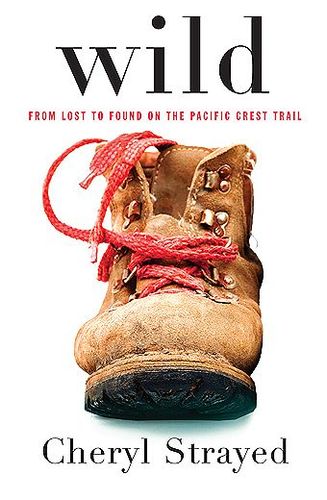
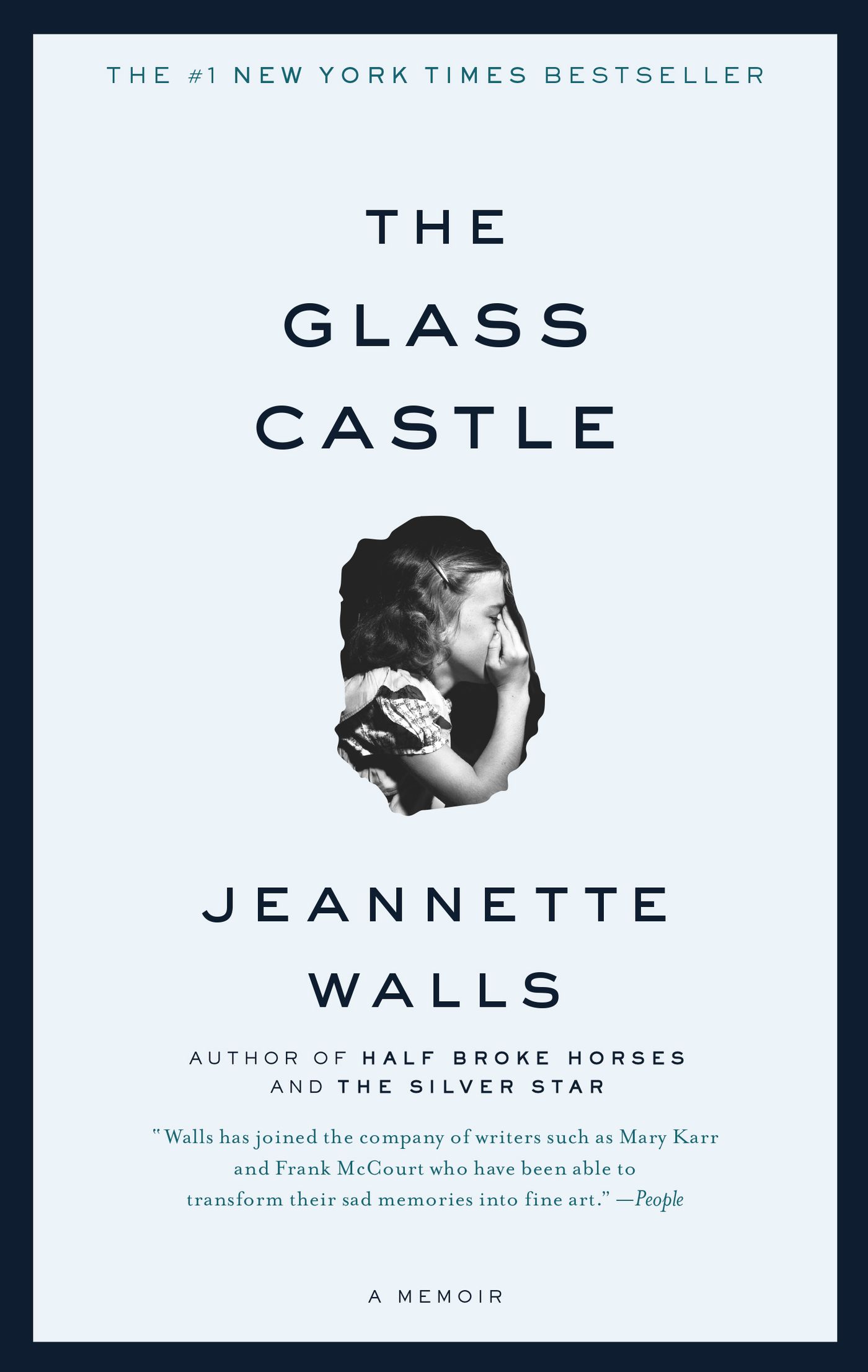
What makes The Glass Castle endure isn't shock value, it's Walls' refusal to flatten her parents into villains. She gives them their full, maddening complexity, which makes the memoir feel honest rather than exploitative. If you loved the unsentimental clarity of Educated, you'll recognize the same careful balance here between condemnation and tenderness. There are echoes of Hillbilly Elegy in its examination of poverty and upward mobility, though Walls' prose carries more warmth and less polemic. And like Wild, it's ultimately a story about a woman reclaiming her own narrative after a turbulent upbringing. What sets this book apart is its voice: clear-eyed, often funny, never bitter. Walls doesn't ask you to pity her childhood; she asks you to understand it, contradictions and all. The glass castle itself, the father's never-built dream house, becomes a perfect symbol for a family built on beautiful lies. Two decades after publication, it still holds up as one of the genre's most compulsively readable entries, mostly because Walls trusts her readers enough to let the facts speak without dramatizing them further. A memoir that earns every bit of its staying power.