Our Take
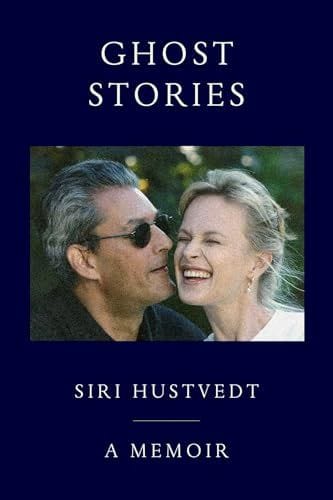
Siri Hustvedt has always written at the intersection of the intellectual and the deeply personal — novels and essays that bring philosophy, neuroscience, and literary theory to bear on intimate human experience. Ghost Stories is the most naked version of that project: a book in which the ideas are inseparable from the wound that generated them. Grief, here, is not just a subject but a method of inquiry. What makes this memoir exceptional is the inclusion of Paul Auster's own writing — his letters and his final unfinished work — which transforms the book into something genuinely unprecedented: a dialogue across death, a shared text between two writers who spent four decades in conversation. Hustvedt is clear-eyed about the strangeness of this, and about the ethics and intimacy involved in bringing her husband's private words into the world. The philosophical passages never feel like evasion — Hustvedt uses thought the way others use tears, and the rigor is part of the tenderness. Readers who have found comfort in Joan Didion's The Year of Magical Thinking or C.S. Lewis's A Grief Observed will find this essential and different in equal measure. A book that only Hustvedt could have written, about a loss that belonged to both of them.