Our Take
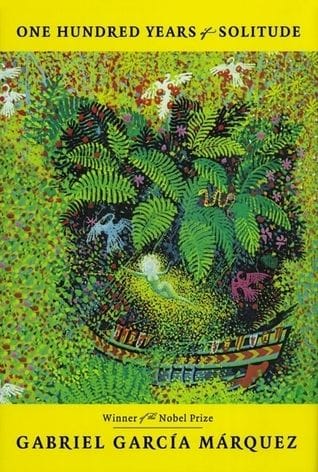
There is a reason One Hundred Years of Solitude has never gone out of print, never stopped finding new readers, never stopped feeling urgent. García Márquez didn't just write a great novel — he invented a mode of seeing, a way of holding history and myth and grief and comedy in the same hand without any of it spilling. Magical realism as a term gets thrown around casually, but this is the book that gave it weight and meaning. What's remarkable on rereading is how funny it is, and how sad, and how those two things are never in competition. The Buendía family is ridiculous and magnificent and doomed, and the novel never lets you forget that their particular doom is inseparable from the broader fate of a continent shaped by colonialism, civil war, and willful forgetting. The personal and the political breathe together here in a way that feels effortless and is anything but. For readers coming to it for the first time, the best advice is simply to surrender — don't try to track every name, every generation, every echo. Let it wash over you. For those returning: you'll find things you missed entirely. Readers who love Isabel Allende's The House of the Spirits or Salman Rushdie's Midnight's Children are in the exact right neighborhood. Essential, permanent, irreplaceable.