Our Take
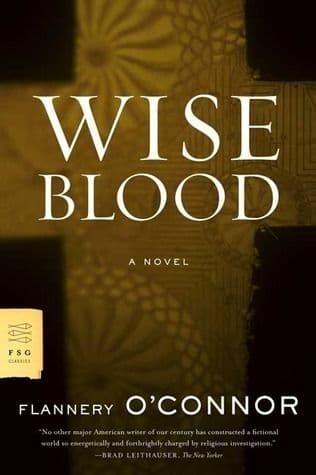
Flannery O'Connor's Wise Blood remains one of the most unsettling and brilliant debut novels in American literature. Published in 1952, it introduced readers to O'Connor's signature blend of Southern Gothic grotesquerie and fierce theological inquiry. What makes the novel so powerful is its refusal of easy interpretation—Hazel Motes is neither hero nor villain, and his violent rejection of Christianity operates as a twisted form of devotion. O'Connor, a devout Catholic writing about Protestant fundamentalism in the Deep South, brings dark comedy to existential questions about faith, grace, and human nature. Her prose is spare and brutal, with dialogue that crackles with regional authenticity and prophetic intensity. The novel's gallery of damaged characters—the fraudulent preacher, the wild-blooded Enoch, the manipulative Sabbath Lily—creates a world where spiritual seeking manifests as madness and violence. O'Connor's genius lies in making readers feel simultaneously repelled and compelled by Motes's journey toward a redemption he desperately doesn't want. This is not comfortable reading, but it's essential for anyone interested in American literature, Southern Gothic tradition, or fiction that grapples seriously with questions of faith and meaning. Readers who appreciate As I Lay Dying by William Faulkner or The Heart Is a Lonely Hunter by Carson McCullers will recognize O'Connor's place in that lineage of Southern writers who use regional specificity to explore universal human struggles.