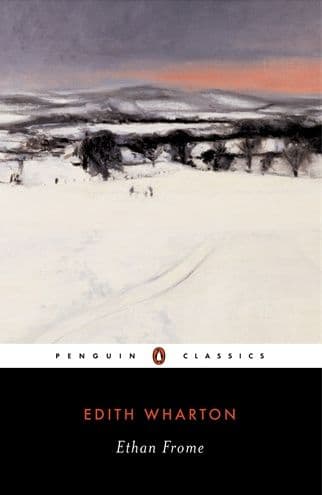
Ethan Frome
by Edith Wharton
Literary Fiction
Classic
Tragedy
99 Pages
"Spare, brutal, and unforgettable—Wharton's bleakest work captures lives frozen by circumstance and choices."
Synopsis
The classic novel of despair, forbidden emotions, and sexual undercurrents set against the austere New England countryside. Ethan Frome works his unproductive farm and struggles to maintain a bearable existence with his difficult, suspicious, and hypochondriac wife, Zeena. The harsh Massachusetts winter mirrors the bleakness of his trapped life—years of grinding poverty and a loveless marriage have crushed any dreams he once harbored. But when Zeena's vivacious young cousin Mattie Silver enters their household as a hired girl, Ethan finds himself obsessed with her and with the possibilities for happiness she comes to represent. Mattie brings warmth and light into the frozen farmhouse, and Ethan begins to imagine a different life. In one of American fiction's finest and most intense narratives, Edith Wharton moves this ill-starred trio toward their tragic destinies with inexorable precision. The New England setting becomes a character itself—cold, unforgiving, and isolating—trapping these three people in circumstances from which there seems no escape. Different in both tone and theme from Wharton's other works about New York society, Ethan Frome has become perhaps her most enduring and most widely read book, a devastating portrait of lives destroyed by poverty, duty, and impossible choices.
Our Take
Ethan Frome is a masterpiece of compressed tragedy—a slim novel that packs devastating emotional power into fewer than one hundred pages. Edith Wharton, known for her satirical portrayals of Gilded Age New York, turns her keen eye to rural poverty and creates something starker and more brutal than anything in her other work. The brilliance lies in the framing device: we learn Ethan's story through flashback after seeing his ruined present, which casts every moment of hope in the past with terrible irony. Wharton's prose is spare and cold, mirroring the frozen landscape that traps her characters. The New England winter becomes a metaphor for lives locked in place by poverty, duty, and lack of options. What makes this so powerful is that there are no villains—even Zeena, who could easily be written as a shrew, is herself a victim of circumstance and chronic illness. The love between Ethan and Mattie is genuine and sympathetic, but Wharton offers no romantic escape. Instead, she delivers one of literature's most devastating endings, showing how a single desperate choice can create a living death worse than any tragedy. The novel explores how poverty removes agency, how duty can become a prison, and how the rural poor are often invisible in American literature. Short enough to read in one sitting yet impossible to forget, this is essential reading for understanding American literary realism. A perfect, terrible jewel of a book.