
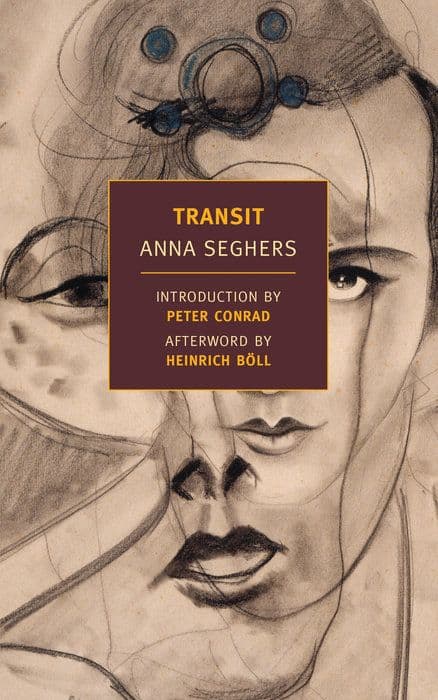
Our Take
Seghers wrote Transit while living it—she was herself a refugee in Marseille when she began the novel, waiting for papers, watching the same bureaucratic machinery grind through the same lives she depicts. That proximity gives the book an authority no amount of research could replicate. The waiting rooms, the consulate queues, the endless paperwork for visas that expire before they can be used—these details accumulate with the specific weight of lived experience.
What makes the novel extraordinary rather than merely historical is its formal intelligence. The nameless narrator, the stolen identity, the dead man's manuscript embedded within the living man's story—Seghers constructs a meditation on selfhood and survival that feels genuinely modern. The thriller elements are real; so is the existential unease. Neither overwhelms the other.
Readers who loved The Emigrants by W.G. Sebald or Suite Française by Irène Némirovsky will find Seghers in essential company. Also a powerful pairing with The Passenger by Ulrich Alexander Boschwitz for readers drawn to literary fiction forged in the specific terror of that era. A novel that has waited long enough for the readership it deserves.