Our Take
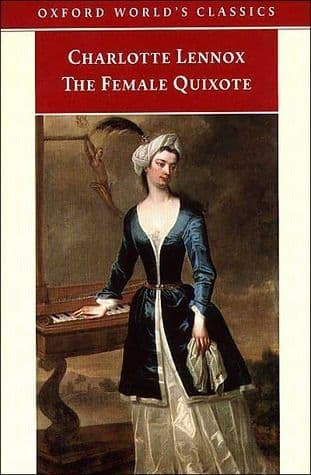
It's easy to position The Female Quixote as a literary curiosity—a clever 18th-century relic of interest mainly to scholars. That would be a mistake. Lennox's novel is genuinely funny, surprisingly modern in its comic sensibility, and far sharper about gender, reading, and social performance than it has any obligation to be. Arabella is one of literature's great comic creations precisely because Lennox never condescends to her. Yes, her delusions are absurd—but her logic is internally consistent, her confidence is absolute, and her critique of the men around her is often more accurate than she realizes. Lennox is skewering not just romance-novel excess but the entire social machinery that shapes what women are permitted to want and imagine for themselves. It lands with a wit that anticipates Jane Austen by several decades, and scholars have long identified Lennox as a direct precursor to Austen's ironic mode. Readers who love Northanger Abbey by Jane Austen—Austen's own literary-parody novel about a romance-obsessed young woman navigating society—will find The Female Quixote an essential companion piece. Fans of Don Quixote by Miguel de Cervantes will enjoy seeing the conceit transposed with such elegance, and those drawn to Tom Jones by Henry Fielding will recognize the same exuberant, knowing energy at work. A genuinely rewarding read for anyone who loves novels about the power—and peril—of novels.