Our Take
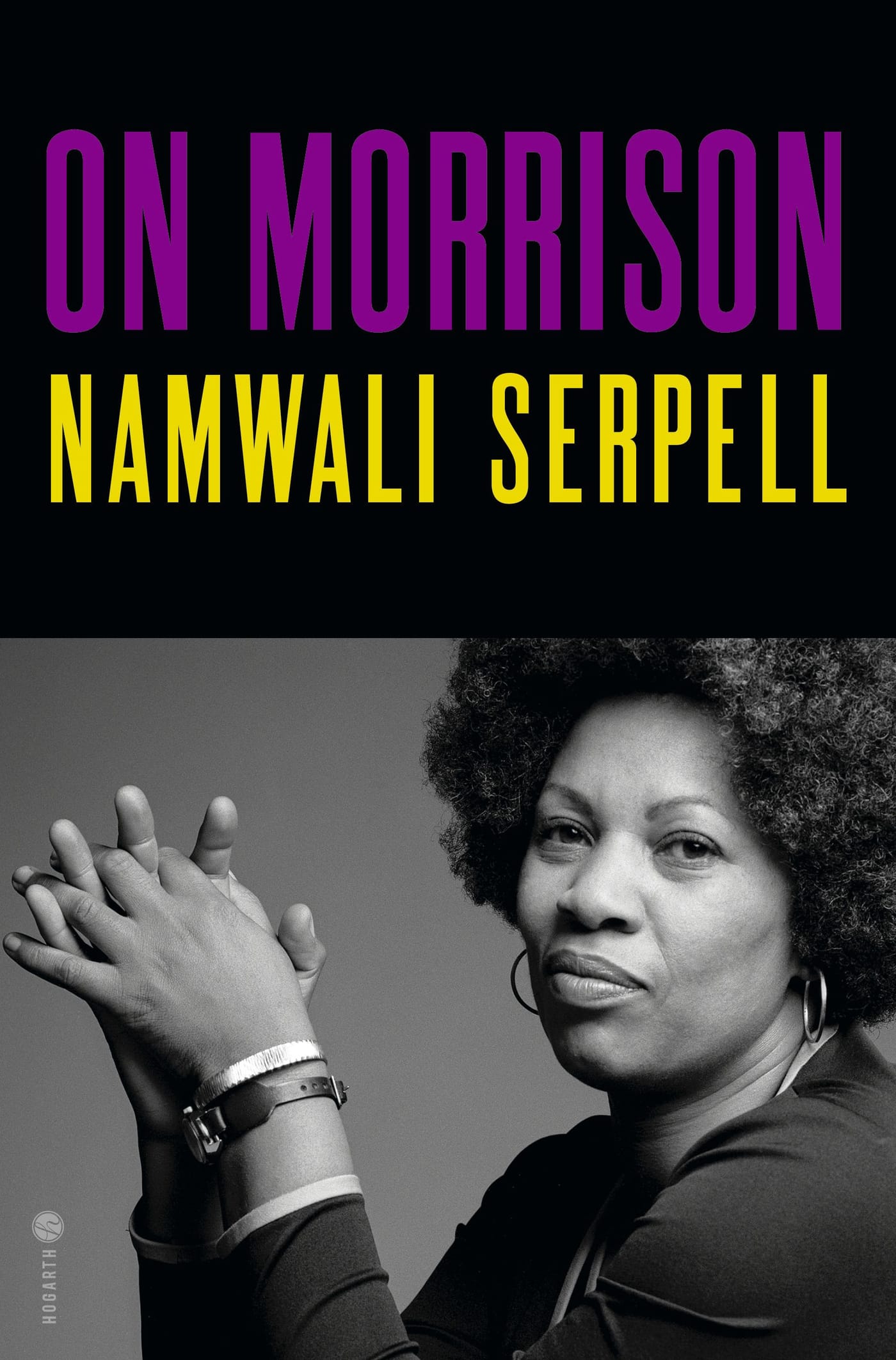
The best literary criticism does two things at once: it illuminates the work under discussion, and it teaches you something about how to read. Namwali Serpell — whose debut novel The Old Drift announced her as one of the most formally ambitious fiction writers working today — brings both a scholar's rigor and a novelist's instincts to On Morrison, and the combination is genuinely rare. What Serpell does particularly well is take Morrison's formal experiments seriously on their own terms. Morrison's prose is often described in terms of its emotional power or its cultural significance; Serpell insists on the technical genius underneath — the way Morrison structures time, deploys point of view, handles silence and elision — and the book is richer for it. The coverage of lesser-known work, particularly the dramatic writing and poetry, opens up dimensions of the oeuvre that even devoted readers may not have encountered. This belongs on the shelf alongside James Wood's How Fiction Works and Zadie Smith's Feel Free as literary criticism that reads like literature. For anyone who loves Morrison and wants to love her more deeply — or for anyone who has felt intimidated by where to begin — On Morrison is exactly the book you need.