
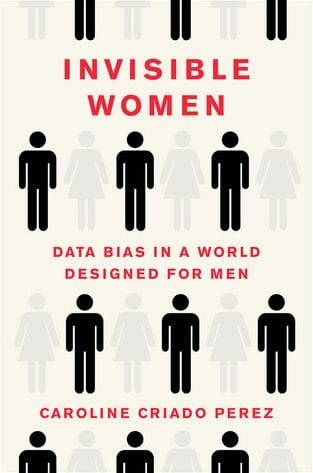
Our Take
What makes Invisible Women so effective is its sheer accumulation of evidence. Caroline Criado Perez doesn't rest her argument on a handful of anecdotes; she builds it study by study, across hundreds of examples spanning medicine, urban planning, technology, and disaster relief, until the pattern becomes impossible to dismiss as coincidence. The book's real strength is range: readers come away understanding that the "gender data gap" isn't one design flaw but a systemic default that shapes almost everything, often in ways that put women's safety and wellbeing at direct risk. Criado Perez's prose keeps the material moving despite its density — she writes with the energy of an advocate rather than the detachment of an academic, which is likely why the book resonated with such a wide readership and earned a Goodreads Choice Award nomination. This isn't a light read, and it isn't meant to be; some of the statistics are genuinely alarming. But for readers interested in how data and design quietly encode inequality, and who want the evidence laid out methodically rather than argued rhetorically, this is one of the most comprehensive books on the subject available.