Stephen Chbosky's coming-of-age novel became a 2012 film, and he wrote and directed it himself. Here is how the book and the film compare.
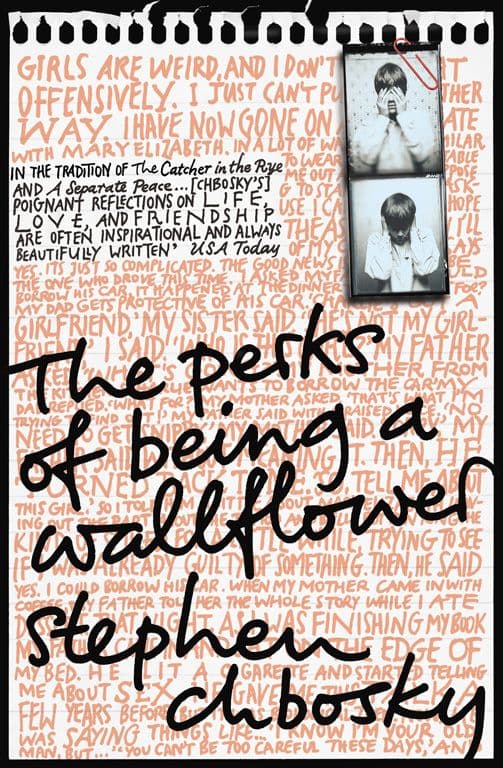
The Book
The Perks of Being a Wallflower
by Stephen Chbosky
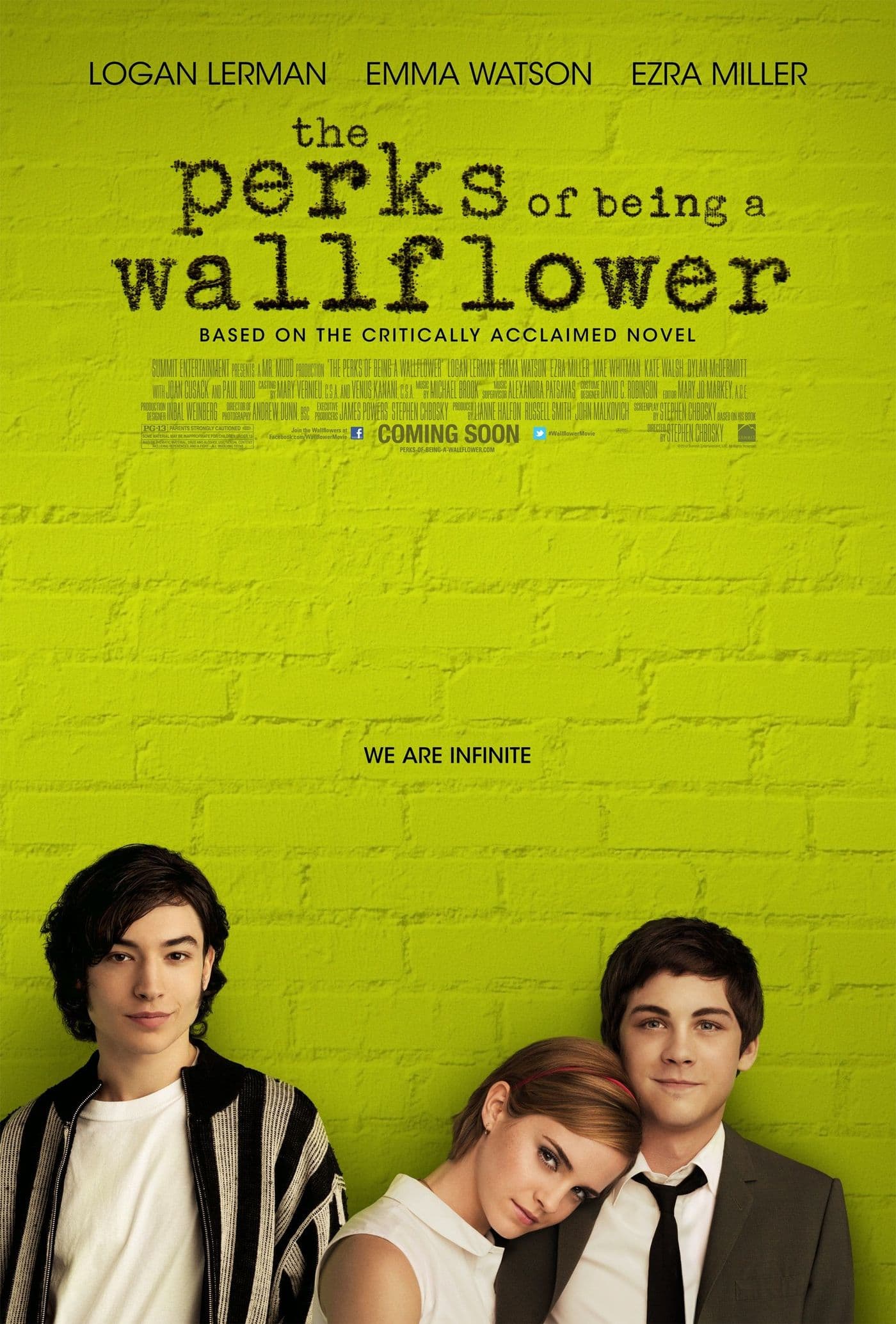
The Film
The Perks of Being a Wallflower
Directed by Stephen Chbosky, 2012
🔀 What Changed
The novel is told entirely through letters from Charlie to an unnamed recipient. The film keeps that device, but it moves much of the story into scenes that play out in real time on screen. Chbosky's book reads as one private, interior voice, while the film turns Charlie's world into a group portrait of Sam, Patrick and their friends. The film is also the work of a single creator: Chbosky wrote the screenplay and directed the picture himself, so the adaptation reflects the author's own choices about what to compress. A novel built on interior confession becomes a story built on faces, music and shared moments.
🎙️ What the Author Said
Chbosky did not simply react to this adaptation. He wrote the screenplay and directed the film, which makes him the person most responsible for how his novel reached the screen. He has spoken about the responsibility of bringing his own book to film, and his involvement is the central fact of this pairing. Because he was the adapter, this is less a case of an author approving or objecting to someone else's version than of an author revisiting his own story in a new form.
“I wanted to protect the book while making a film.”
Same author, two forms: letters on the page, scenes on the screen. Which one do you prefer?