Our Take
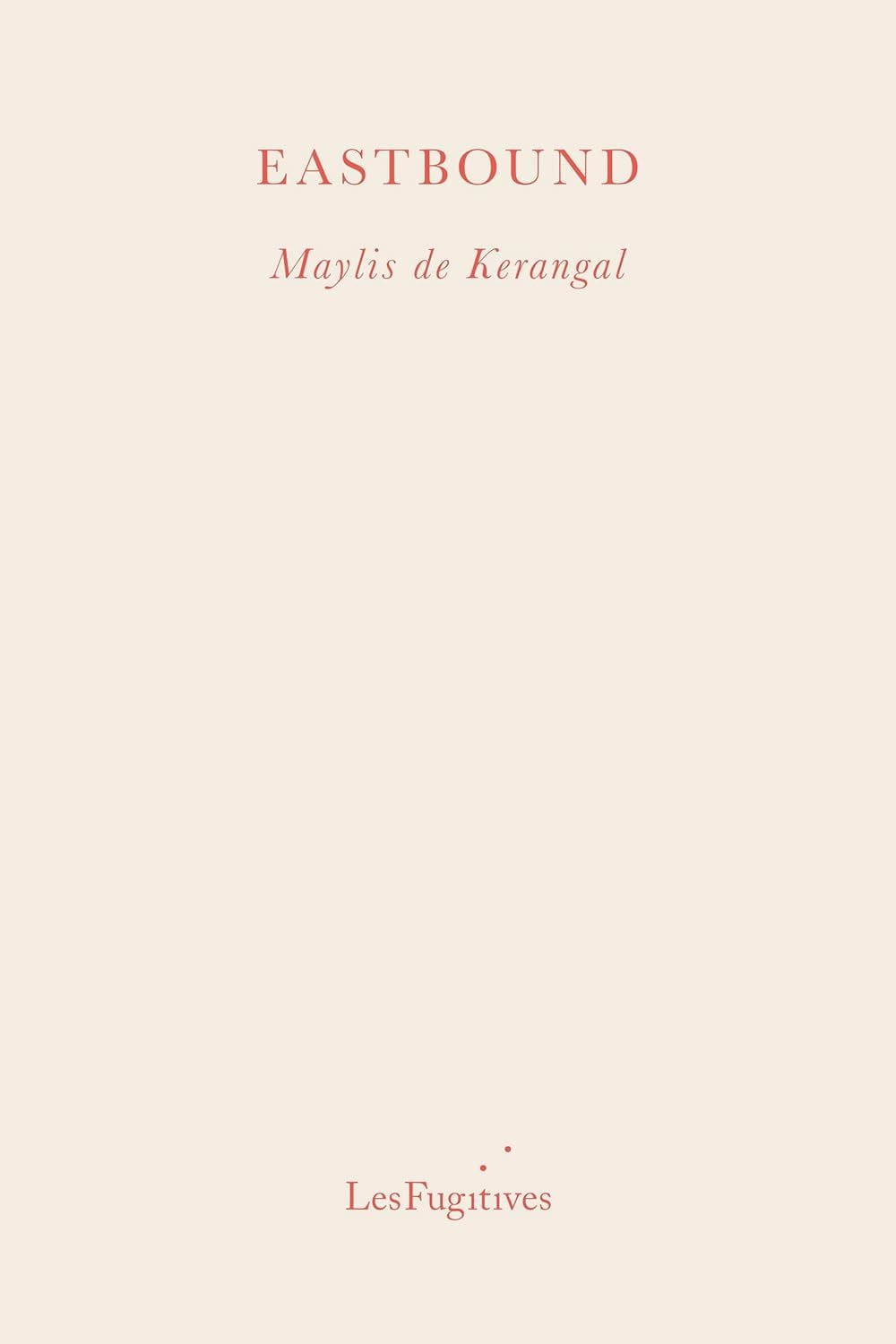
De Kerangal is best known in English for The Heart (published in the UK as Mend the Living), her Wellcome Prize-winning novel about organ donation told in a single breathless day. Eastbound operates on the same principle: compress time, compress space, and see what pressure does to prose. The result is a novella that reads like a thriller but operates like a poem—each sentence carrying more than its apparent weight. What's remarkable is how much de Kerangal achieves through what her two protagonists cannot say to each other. Aliocha and Hélène are both in flight from something, both uncertain of what they're moving toward, and their enforced nonverbal communication creates an intimacy that dialogue might have cheapened. The Wall Street Journal called it "a crazy but thrilling little Mission: Impossible" with "crisp cascading sentences" and "a delicious mixture of fear and romance." The New Yorker's Lauren Oyler praised de Kerangal's ability to render the melee of past and present with immense skill and clarity. It's also worth noting the timeliness the book acquired after Russia's invasion of Ukraine in 2022: Aliocha's terror of military conscription, originally a historical observation, became something rawer and more immediate. The New Criterion noted that it's difficult to read the book now without imagining what awaited conscripts in the years that followed. Readers who loved The Heart by Maylis de Kerangal will find the same propulsive quality and the same delight in the physicality of prose. Fans of All the Light We Cannot See by Anthony Doerr for its war-adjacent tension and luminous sentences will find a leaner, faster companion here. And anyone drawn to Night Train to Lisbon by Pascal Mercier for its meditative rail journey will appreciate how differently—and how thrillingly—de Kerangal uses the same setting.