Our Take
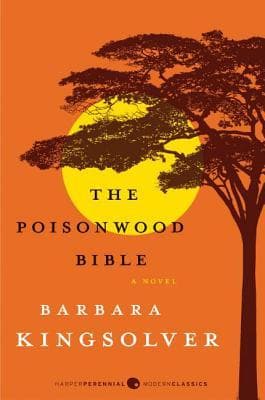
The great strength of The Poisonwood Bible is its structure. Instead of handing us one narrator, Barbara Kingsolver splits the story between Orleanna Price and her four daughters, Rachel, Leah, Adah, and Ruth May. Each has her own voice, her own blind spots, and her own version of what happened when the family followed Nathan Price to the Belgian Congo in 1959. The result feels less like a single account and more like a family argument you get to overhear.
It sits comfortably beside other novels that examine colonial legacies through personal stories, such as Chinua Achebe's Things Fall Apart and Chimamanda Ngozi Adichie's Half of a Yellow Sun. Kingsolver writes from an outsider's vantage point, and the book is smart about the limits of that position. Its central themes are faith, guilt, family, and what it means to arrive somewhere certain you know best.
The prose is rich and often funny, particularly in the sharp, wordplay-loving chapters narrated by Adah. At more than 500 pages it asks for patience, but the shifting perspectives keep it moving, and the span of decades gives the ending real weight.
This is a great pick for readers who enjoy big, character-driven historical fiction with a conscience. If you liked Kingsolver's Demon Copperhead and want to see her earlier, equally ambitious work, start here. Book clubs will find plenty to debate, which is part of why it has stayed on so many shelves.