Our Take
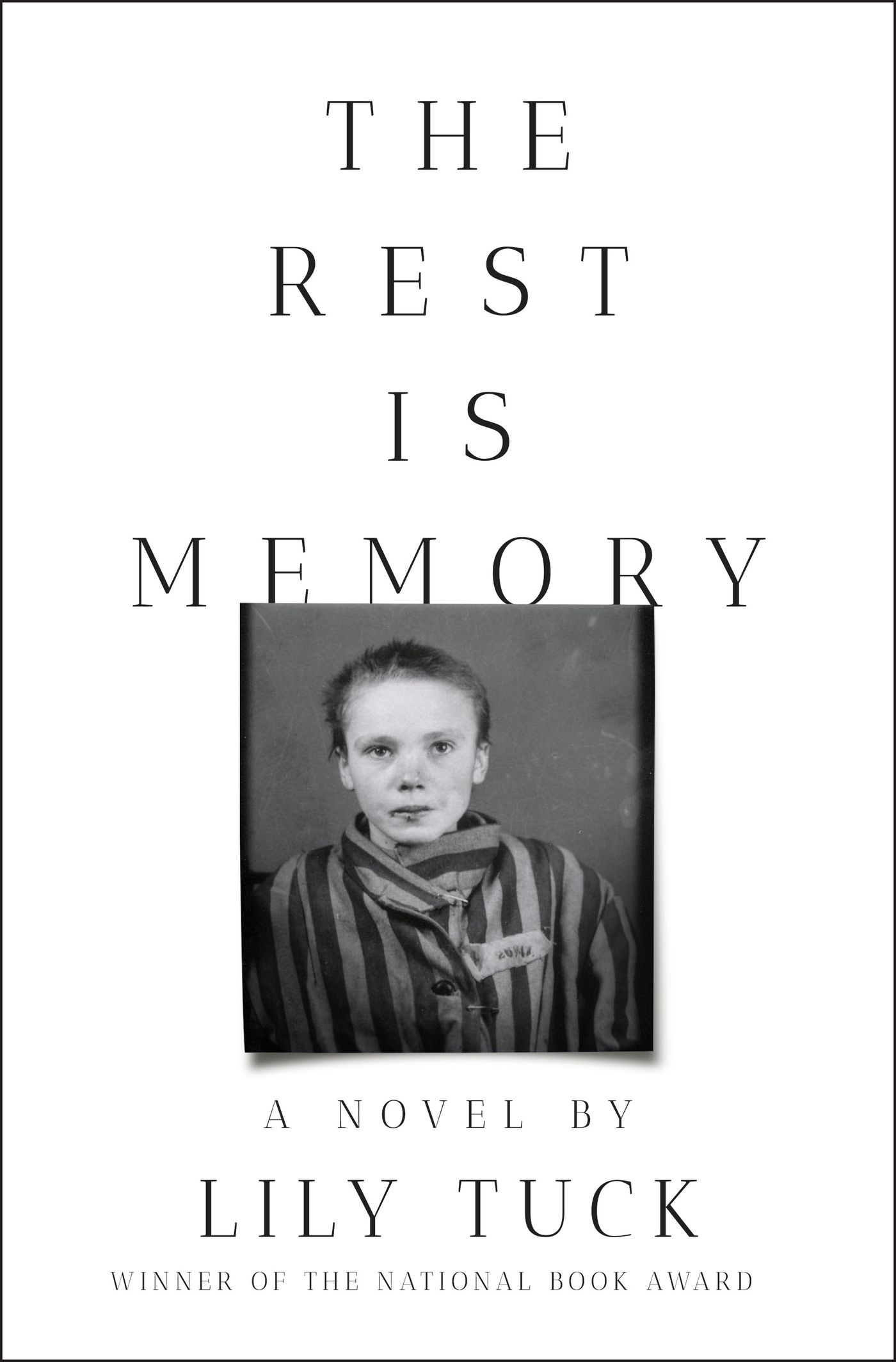
Lily Tuck has built a career on formal daring, and The Rest Is Memory is her most quietly radical structural choice yet. Rather than smoothing history into conventional narrative arcs, she lets the seams show, official documentation butting up against invented interiority, and the friction between the two is where the book's power lives. It's a technique that recalls W.G. Sebald's blending of fact and fiction, though Tuck's prose is sparer and more emotionally direct than Sebald's meandering essays. Readers of The Reader by Bernhard Schlink or HHhH by Laurent Binet, another book obsessed with the ethics of fictionalizing real atrocity, will recognize the moral tightrope Tuck is walking here: how do you imagine a life that was violently cut short without exploiting the person who lived it? Tuck never fully resolves that tension, and that's the point. The novel's brevity works in its favor; at under two hundred pages, it never overstays its welcome or pads its subject with unearned sentimentality. This is a book for readers who want their Holocaust literature unsentimental and formally inventive, not from the perspective of survivors looking back, but from the impossible task of speaking for someone who left almost nothing behind but a photograph. Recommended alongside Fugitive Pieces by Anne Michaels for readers drawn to lyrical, fragmented approaches to historical trauma.