Our Take
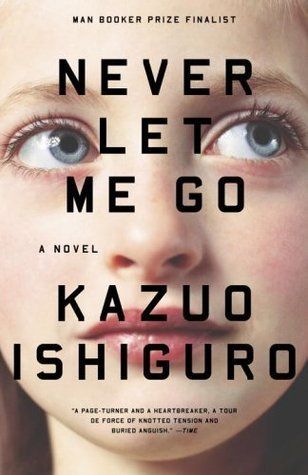
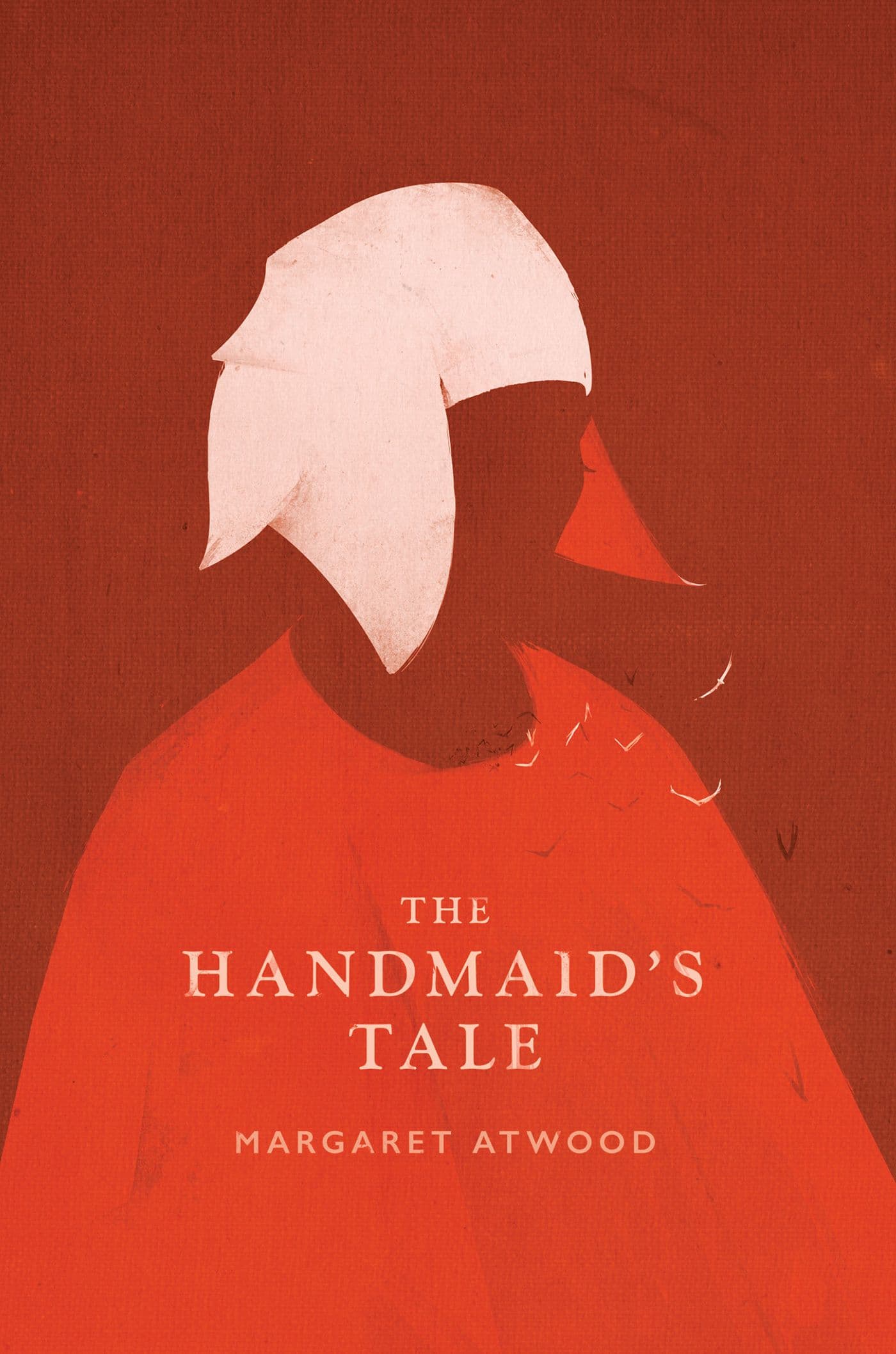
The Handmaid's Tale endures because it feels plausible. Margaret Atwood has said she included nothing that humans had not already done somewhere in history, and that grounding gives the novel its chill. Gilead is not a cartoon villain state. It is a bureaucracy with rules, euphemisms, and everyday routines, and Atwood lets us see how ordinary people adapt to it. The real power of the book is its narrator. Offred speaks in a wry, watchful, often fragmented voice, drifting between the present and memories of her earlier life. The prose is precise and quietly poetic, and the restraint makes the quiet moments land harder than any melodrama could. Themes of control, language, bodily autonomy, and complicity run through every scene, yet the story never turns into a lecture. If you like dystopian fiction that is more interested in people than machinery, this is a natural fit. It sits comfortably beside Fahrenheit 451 by Ray Bradbury, which also explores a society that polices what people may read, and Parable of the Sower by Octavia E. Butler, which follows a young woman navigating a collapsing America. Readers who admired the quiet, unsettling mood of Never Let Me Go by Kazuo Ishiguro will find similar emotional territory here. It is a short, sharp read, but not an easy one. Pick it up if you want a classic that still sparks conversation, and be ready to keep thinking about it long after the last page.