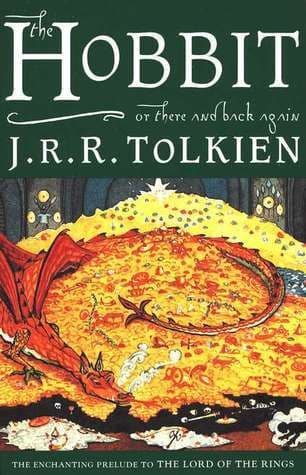
The Hobbit
by J.R.R. Tolkien
Fantasy
Adventure
Quest
366 Pages
"The Hobbit was my gateway to not just fantasy literature but to the joy of reading itself. There's something magical about how Tolkien can create a world so thoroughly imagined that it feels more real than reality, yet so enchanting that it awakens a sense of wonder you thought you'd outgrown."
Synopsis
The Hobbit follows the journey of Bilbo Baggins, a comfort-loving hobbit who reluctantly joins an expedition of thirteen dwarves led by the wizard Gandalf and the dwarf king-in-exile Thorin Oakenshield. Their quest is to reclaim the dwarves' mountain kingdom and treasure from the dragon Smaug. Along the way, the company encounters various dangers and characters: trolls who nearly eat them, elves who imprison them, goblins who chase them through mountain tunnels, and giant spiders who trap them in webs. During his escape from goblin tunnels, Bilbo meets the creature Gollum and acquires a magic ring that grants invisibility—an object that will prove crucial throughout their journey. After reaching the Lonely Mountain, Bilbo is sent to scout Smaug's lair and discovers the dragon's vulnerable spot, information that eventually leads to Smaug's death when he attacks a nearby human settlement. The dwarves reclaim their mountain, but their refusal to share the treasure leads to conflict with humans and elves. As armies gather for battle, they are suddenly united against a common enemy when goblins and wolves attack. The ensuing "Battle of Five Armies" concludes with victory but at great cost, including Thorin's life. A wiser and more courageous Bilbo returns home with a modest share of treasure and his magic ring.
Our Take
The Hobbit occupies a unique place in literary history as both a beloved children's tale and the foundation for modern fantasy literature as we know it. Tolkien's genius lies in how he transforms his deep scholarly knowledge of Norse mythology, Anglo-Saxon poetry, and medieval literature into an accessible adventure that feels both ancient and freshly imagined. The novel's enduring appeal comes from its perfect balance of elements: humor and danger, the familiar and the fantastic, simple language and complex world-building. Through Bilbo Baggins—perhaps literature's most relatable reluctant hero—Tolkien explores themes of personal growth and courage that resonate with readers of all ages. What begins as a simple adventure gradually takes on moral complexity, particularly in its final chapters where the corrupting influence of greed and the devastating consequences of war reveal the more mature themes that would be fully developed in The Lord of the Rings. Beyond its narrative pleasures, The Hobbit introduced readers to Middle-earth, a secondary world so thoroughly realized—with its own languages, histories, geographies, and cultures—that it forever raised the bar for imaginative fiction. Nearly a century after its publication, Tolkien's vision continues to influence not just literature but all forms of storytelling, while his central insight—that the most unlikely individuals can demonstrate extraordinary courage and change the course of great events—remains as inspiring as ever.