Our Take
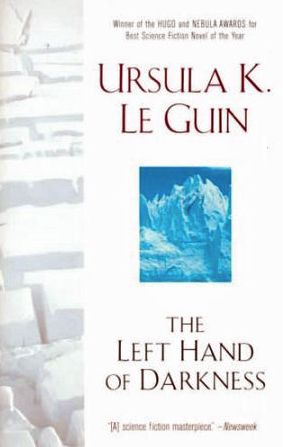
Published in 1969, this book still feels startlingly current, which says more about how slow we've been to catch up than anything else. Le Guin wasn't writing a gimmick about gender, she was building an entire anthropological framework and then dropping a wary, guarded protagonist right into the middle of it. That's the trick: the ideas land because you're worried about Genly and Estraven as people first. Fans of Klara and the Sun will recognize that same patient, observational chill, watching a stranger try to make sense of a world that doesn't share their categories. Readers who loved the political maneuvering and cold-landscape survival in The Fifth Season will find a kindred slow burn here, though Le Guin's prose is quieter, more restrained. There's also a kinship with Station Eleven in how the emotional weight sneaks up on you between spare, careful sentences. What's remarkable is how little this book has aged in its questions, even as the genre around it has changed completely. It's not a fast read, and it doesn't want to be. It wants you to sit in Genly's confusion and come out the other side less certain of your own assumptions. That's a rarer thing than most sci-fi even attempts.