Our Take
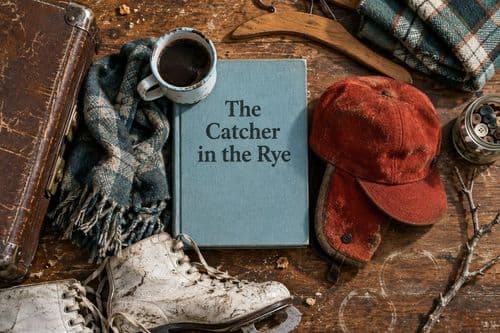
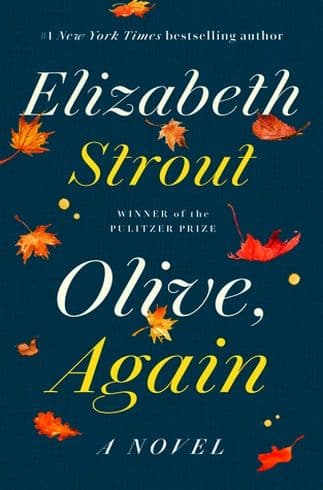
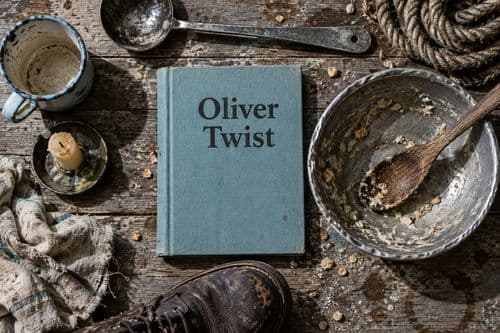
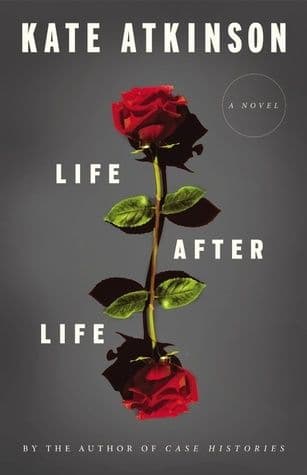
Life After Life takes a premise that could easily feel like a gimmick and turns it into something deeply human. Ursula Todd is born in 1910, dies, and begins again, and Atkinson uses that structure to ask what a single life can hold when the same moments return with different outcomes. The writing is warm, wry, and precise, and the English family at its center feels lived in rather than staged. The book moves through the first half of the twentieth century, including the Second World War, and the domestic scenes carry as much weight as the historical ones. It asks for some patience, since the loops can feel disorienting at first, but the payoff is a reading experience that rewards attention and lingers well after the last page. If you enjoyed The Midnight Library by Matt Haig, you will find a similar curiosity about second chances here, though Atkinson's tone is more dry and her history more textured. Fans of The First Fifteen Lives of Harry August by Claire North will recognize the structural play with repeated lives. Readers who love the sweep of Atonement by Ian McEwan, with its English households shaped by war, will feel at home too. It is a smart, moving novel for anyone who likes big ideas delivered with a lot of heart and a sharp sense of humor.