Stephen King wrote a haunted man losing himself to a haunted hotel. Stanley Kubrick made a film about a man who may have always been the monster. Both are landmarks. They are not the same story.
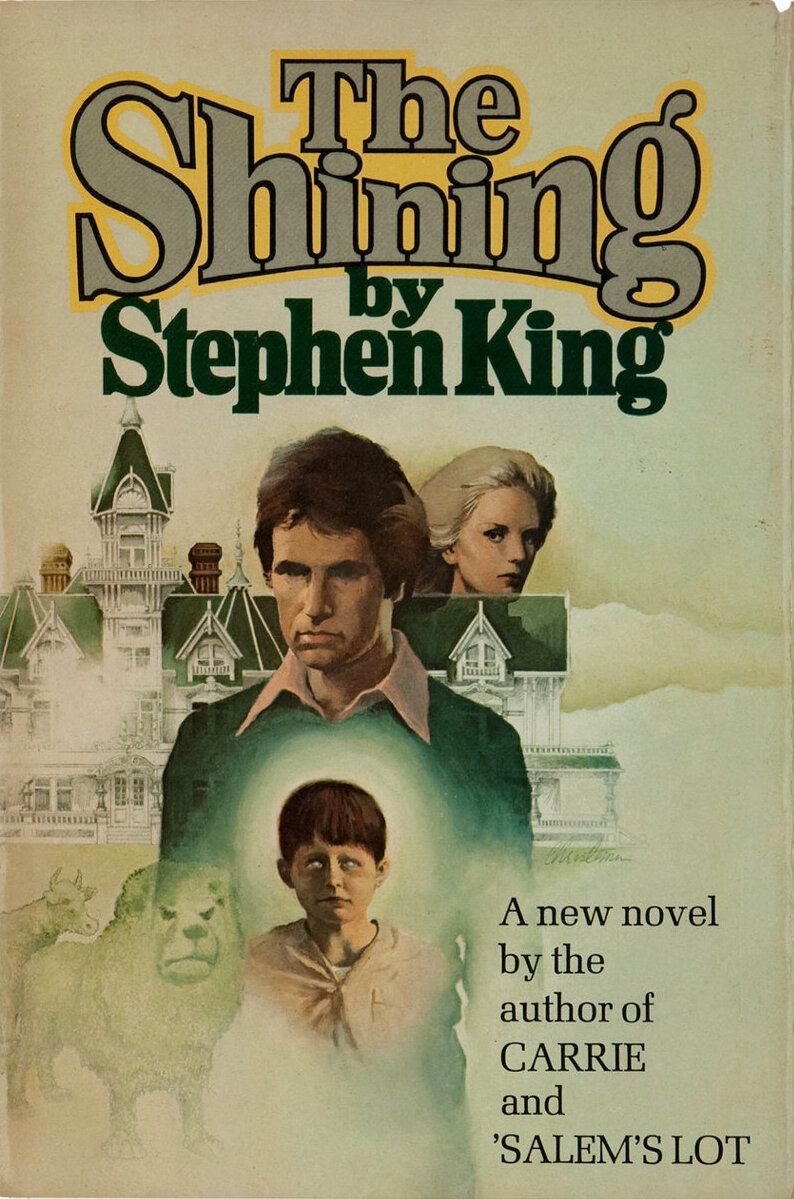
The Book
The Shining
by Stephen King
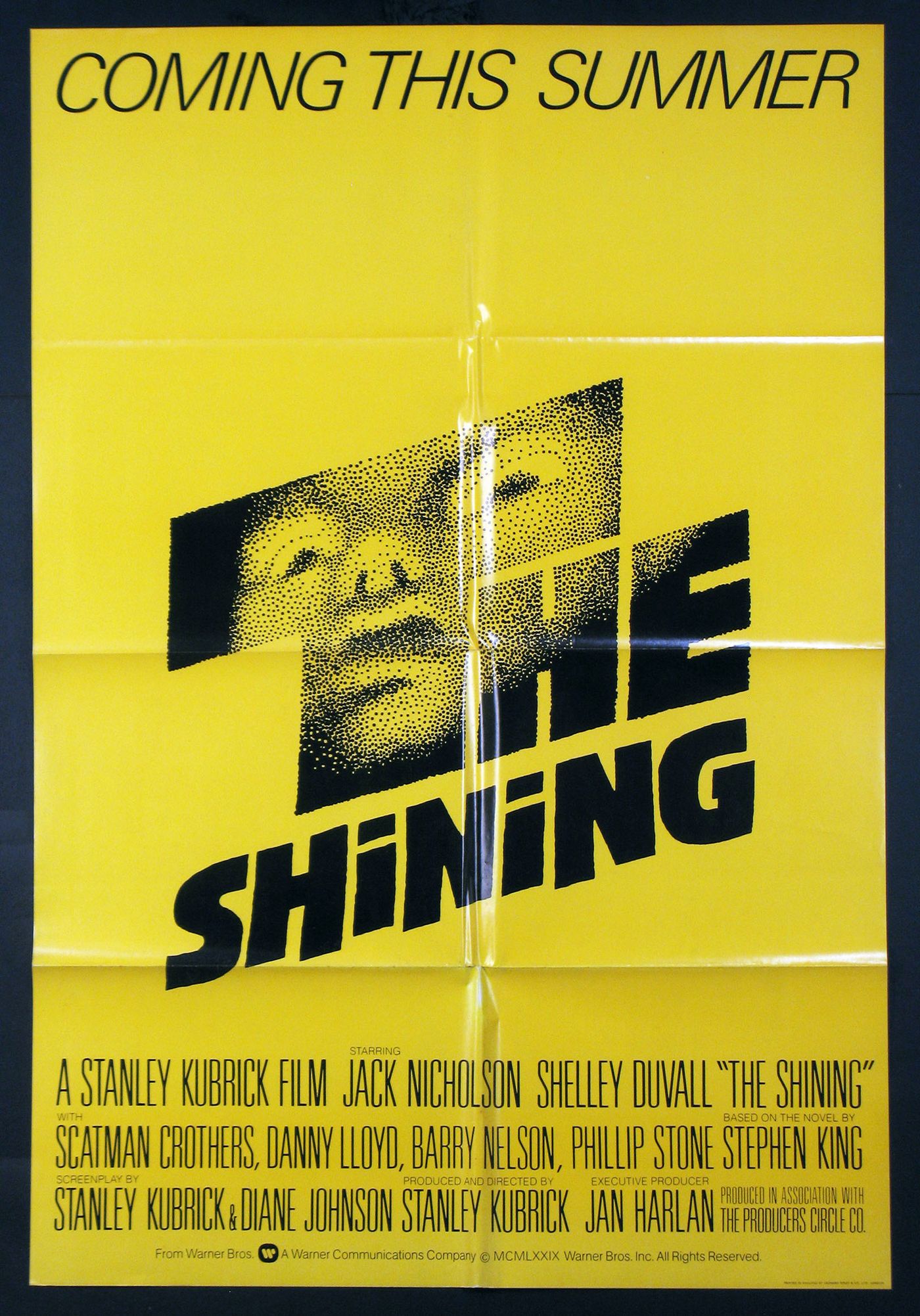
The Film
The Shining
Directed by Stanley Kubrick, 1980
🔀 What Changed
Spoiler warning: this section discusses plot changes, including the ending.
In King's novel, Jack Torrance is a fundamentally sympathetic man being consumed by the Overlook's influence, fighting his addiction and his own history of abuse. Kubrick's Jack, played by Jack Nicholson, reads as unstable from his very first scene, stripping away the sense of a good man's slow corruption. The hedge animals that come alive in the book become a hedge maze in the film, a purely visual substitution. Most significantly, the ending diverges completely: the novel's Overlook explodes after a boiler malfunction, while the film leaves the hotel standing, with Jack freezing to death in the maze. Danny's psychic 'shining' ability is also far more developed and central in the book than in the film's more restrained treatment.
🎙️ What the Author Said
King has been vocal and consistent for decades about disliking Kubrick's adaptation, calling it 'cold' and criticizing the casting of Nicholson for undermining Jack's arc from ordinary man to monster. In interviews, including with Deadline and in his own commentary, King has said the film misses the book's emotional core and its portrait of addiction. He was involved with a 1997 TV miniseries adaptation, made largely in response to his dissatisfaction with Kubrick's version.
“King called Kubrick's Jack Torrance 'cold' rather than falling apart.”
One writer's vision, one director's reinterpretation, and two very different endings. Where do you land?