Kathryn Stockett's bestselling novel about Black maids and the white families they worked for in 1960s Jackson, Mississippi, became a star-studded box office hit within a year of publication. The adaptation brought new scrutiny to a story already stirring debate about who gets to tell it.
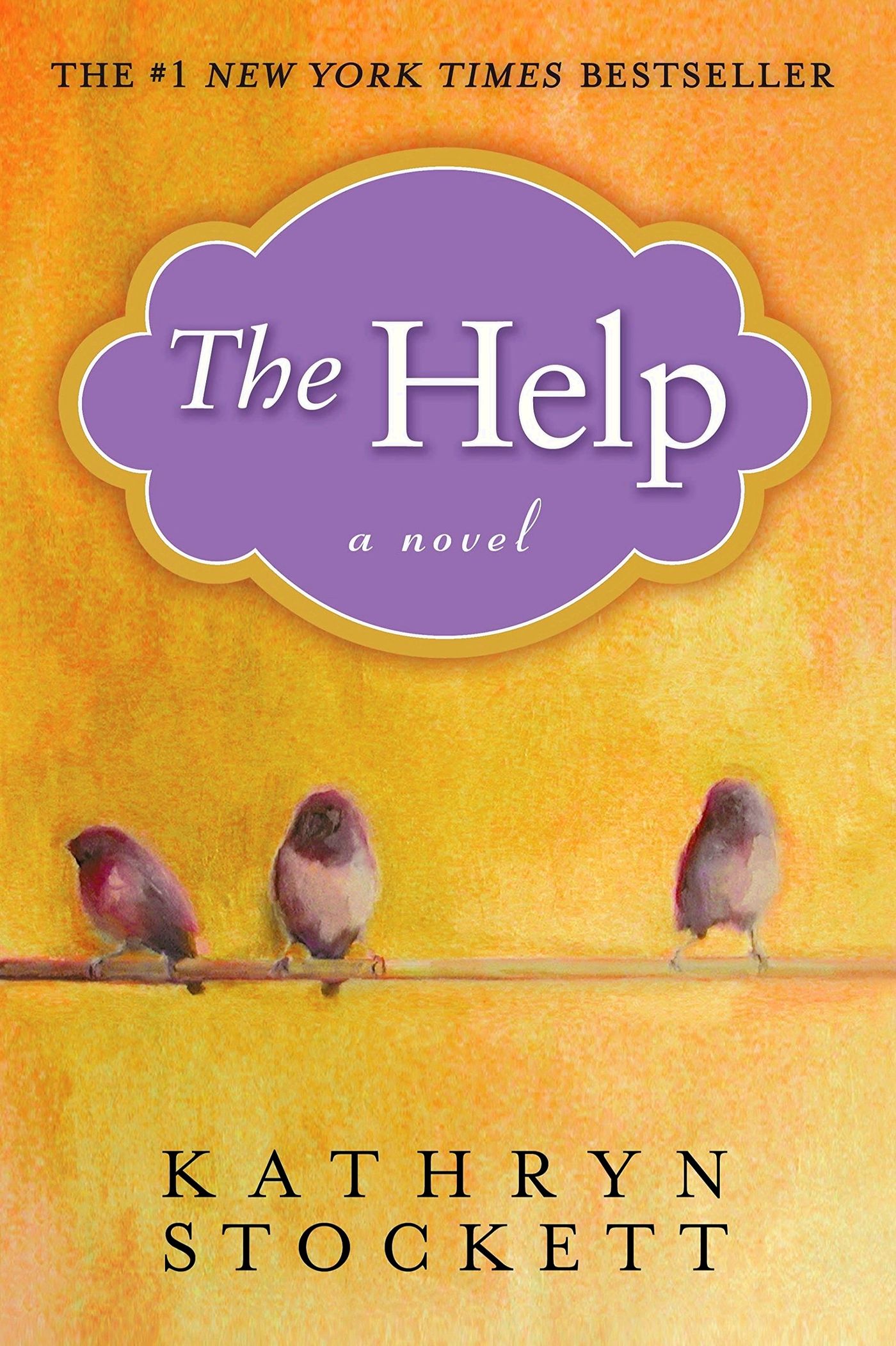
The Book
The Help
by Kathryn Stockett
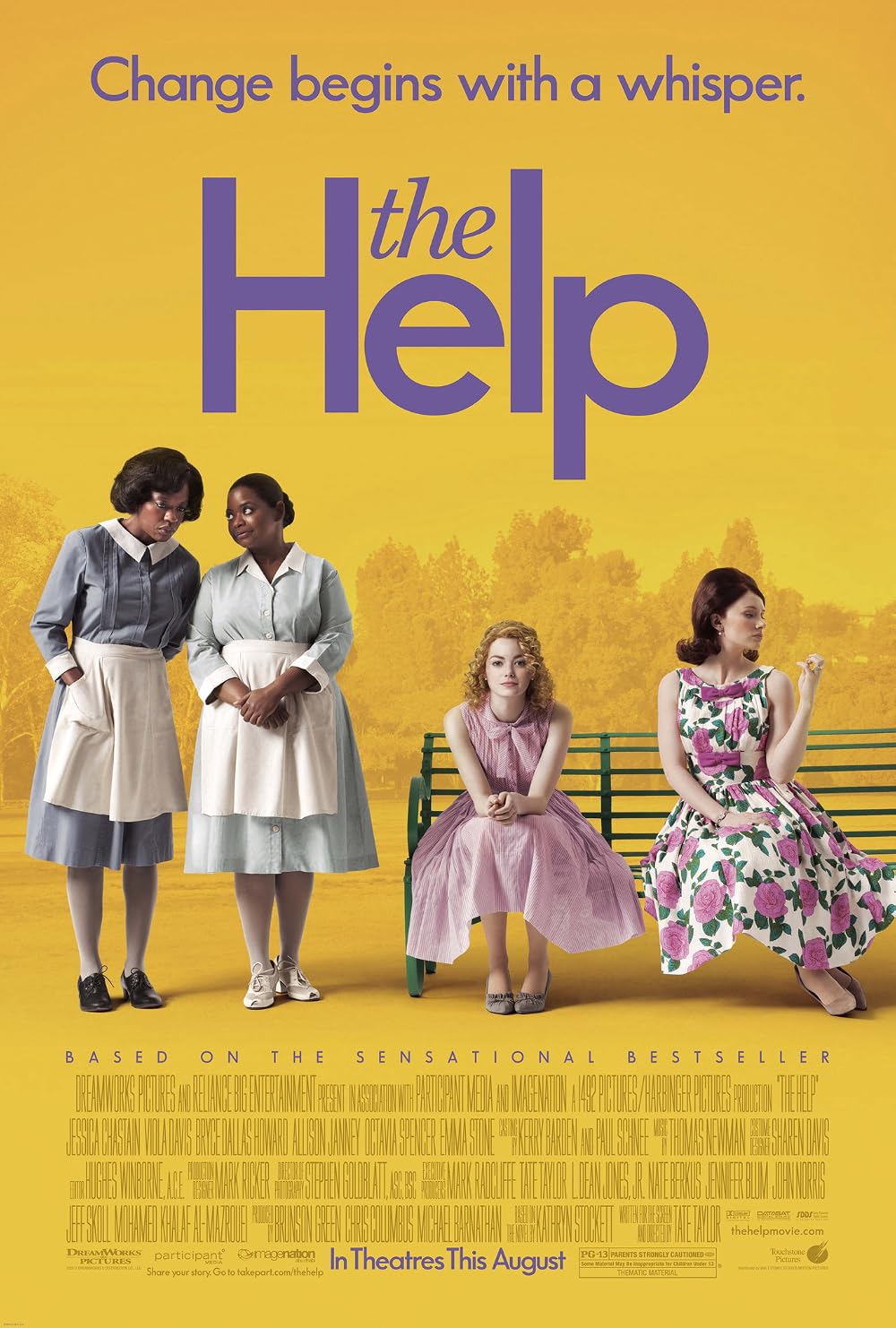
The Film
The Help
Directed by Tate Taylor, 2011
🔀 What Changed
Spoiler warning: this section discusses plot changes, including the ending.
The film condenses and softens several subplots from the novel, giving more screen time to comic set pieces like the pie incident while trimming the book's darker material around domestic abuse and the civil rights violence surrounding the characters. Skeeter's personal arc is simplified, with less attention to her strained relationship with her mother and more focus on her budding writing career. The novel's first-person, multi-narrator structure (Aibileen, Minny, and Skeeter each telling their own chapters) is flattened into a more conventional single narrative voice on screen, shifting whose perspective feels most central to the story.
🎙️ What the Author Said
Stockett has spoken publicly about being involved in the production and supportive of the adaptation, noting in interviews around the film's release that she trusted director Tate Taylor, a childhood friend, to handle the material. She has also acknowledged in interviews that she expected and understood the criticism the book and film received regarding a white author centering Black domestic workers' stories, without disputing that critique directly.
“Stockett said she trusted her childhood friend with the story.”
Two versions, two sets of choices about whose voice carries the story. Now it's your turn to weigh in.