Alice Hoffman's witchy family saga became a cult-favorite 90s film that barely resembles its source material. Here's what changed, and what the author actually thought about it.
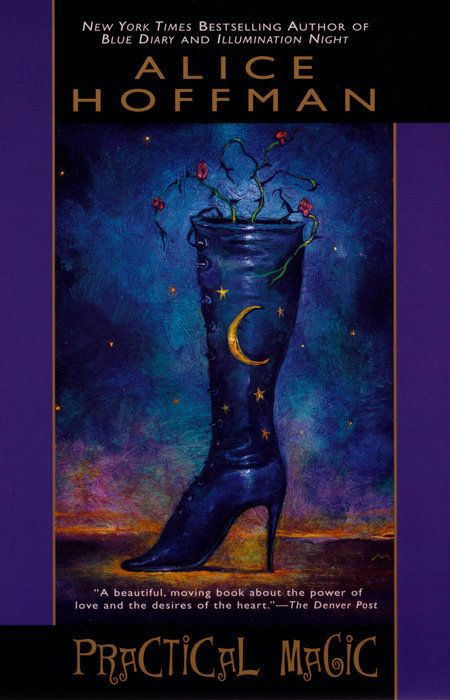
The Book
Practical Magic
by Alice Hoffman
The Film
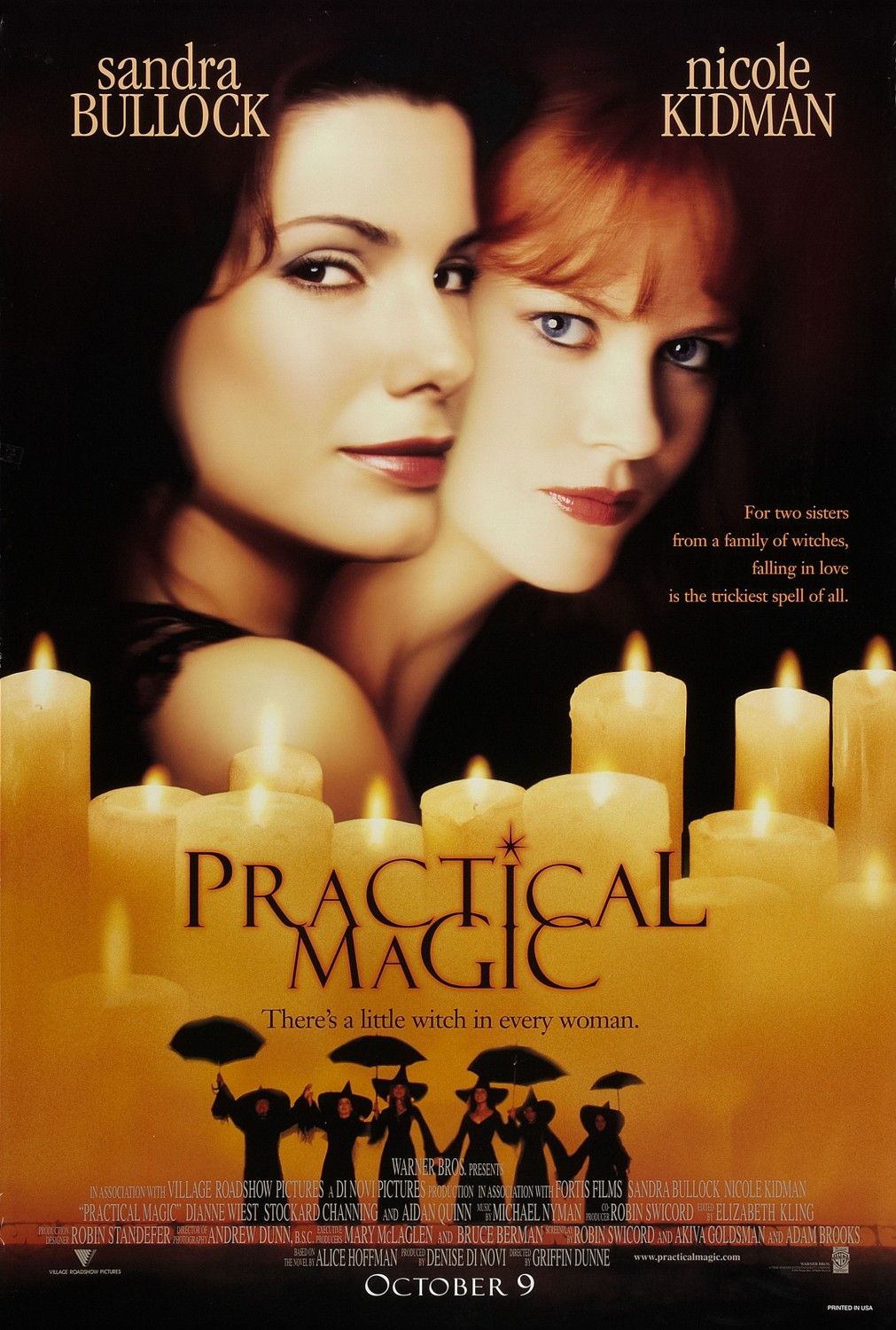
Practical Magic
Directed by Griffin Dunne, 1998
🔀 What Changed
Spoiler warning: this section discusses plot changes, including the ending.
Hoffman's novel is a multigenerational, literary meditation on the Owens women, spanning decades and told with a folkloric, interior tone. The film compresses the timeline dramatically, centers almost entirely on sisters Sally and Gillian as adults, and drops much of the extended family history and the aunts' backstory. The book's antagonist, Gillian's abusive boyfriend Jimmy, is handled with more psychological nuance on the page; the film turns his death and the resulting exorcism-like ritual into a more overtly supernatural set piece. The novel's ending is quieter and more ambiguous about the family's future, while the film closes on a broader, crowd-pleasing note involving the whole town.
🎙️ What the Author Said
Alice Hoffman has spoken publicly, including in interviews around the film's anniversary re-releases, about finding the adaptation a very loose interpretation of her novel. She has noted that the film took the broad concept and characters but developed its own tone and story, distinct from the book's more somber, literary approach. Hoffman has generally been diplomatic in public remarks, acknowledging the film's popularity while making clear it stands apart from what she wrote.
“The movie has its own life, separate from the book.”
Two very different takes on the same family of witches. Now it's your call.