Few adaptations carry a more famous behind-the-scenes clash than this one. P.L. Travers's original nanny was tart, strange, and nothing like the singing Disney icon most people picture today.
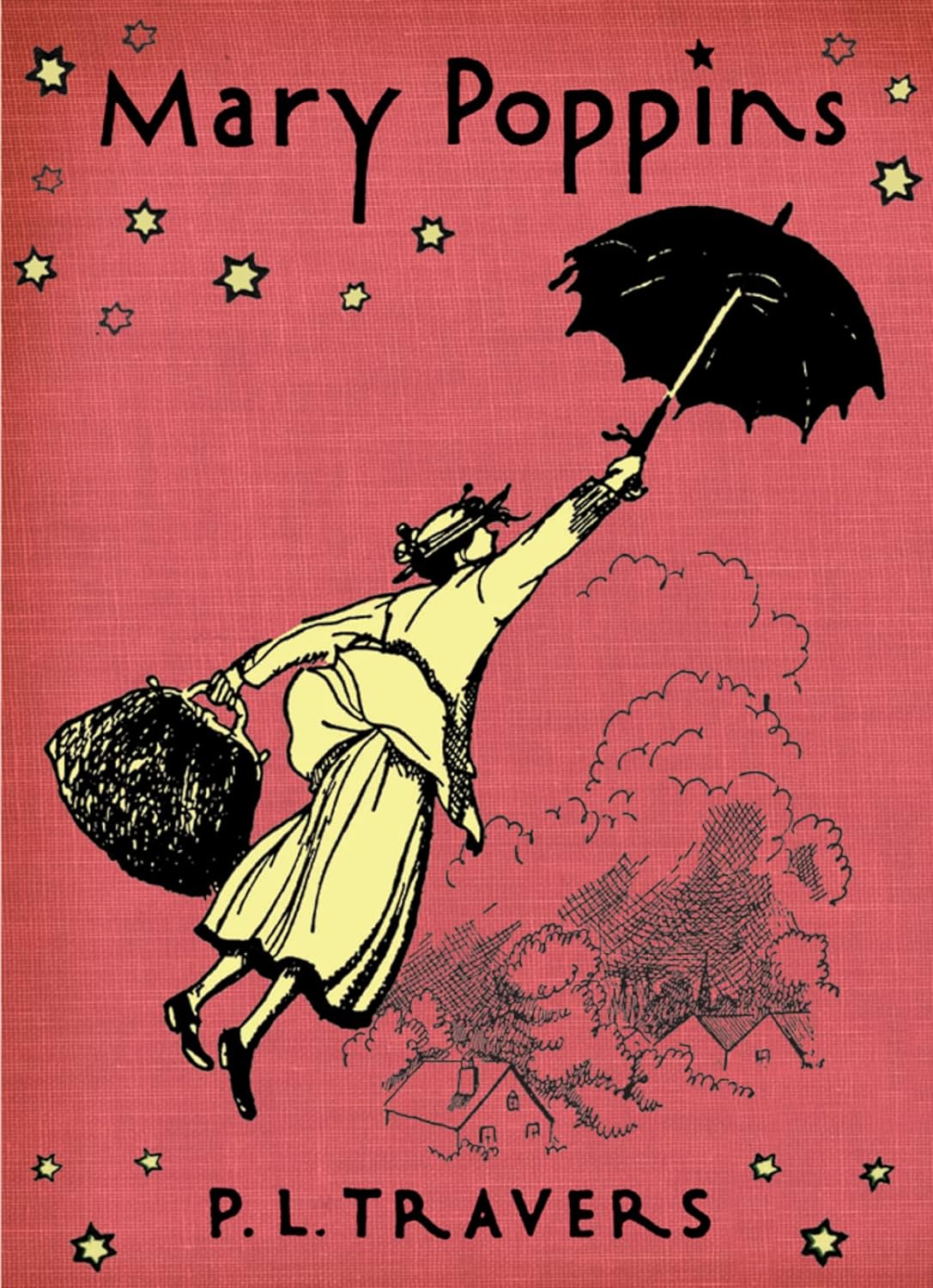
The Book
Mary Poppins
by P.L. Travers
The Film
Mary Poppins
Directed by Robert Stevenson, 1964
🔀 What Changed
Spoiler warning: this section discusses plot changes, including the ending.
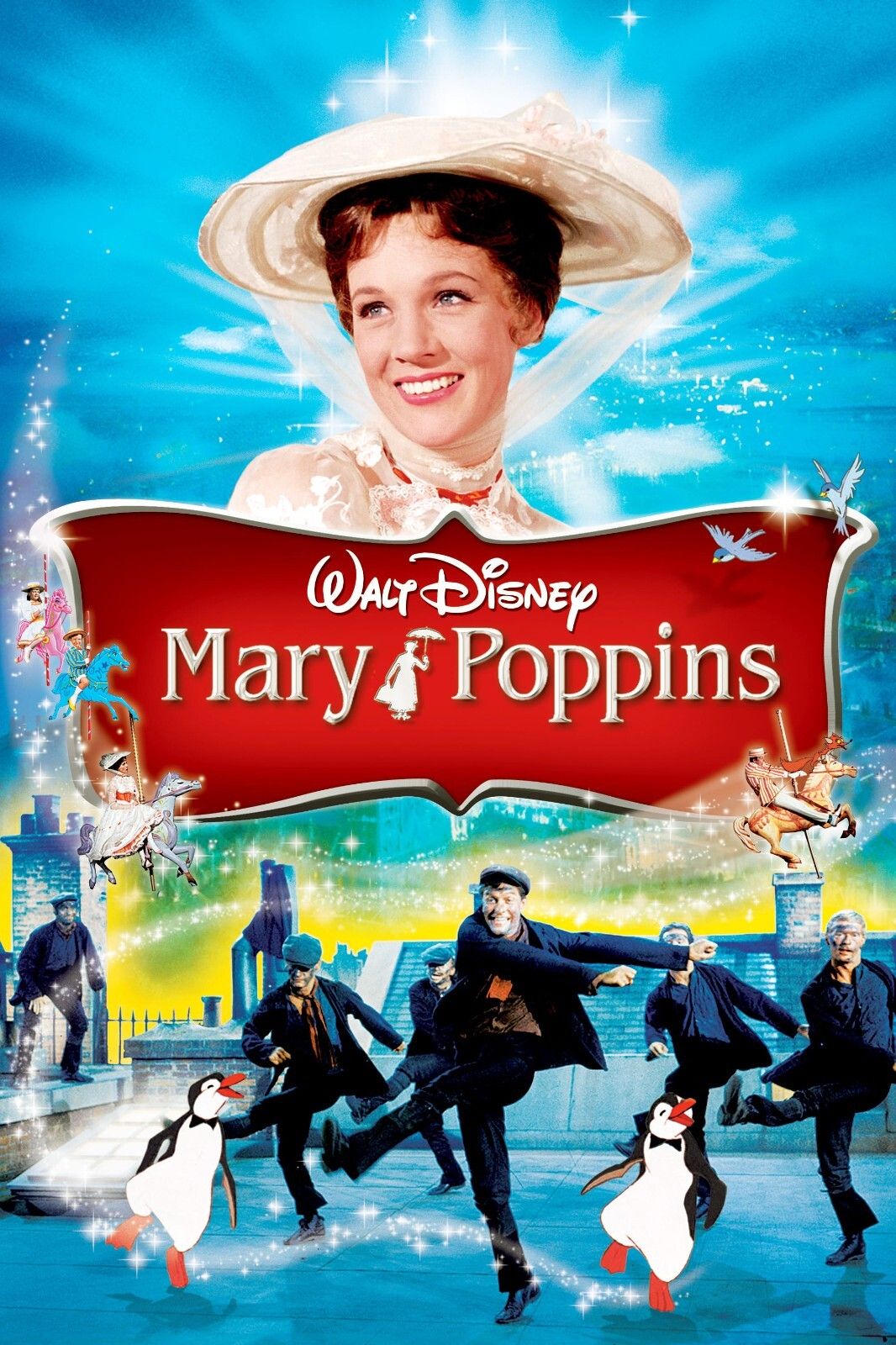
Travers's book is an episodic collection of loosely connected adventures with a brisk, no-nonsense Mary Poppins who never explains herself and rarely shows warmth. Disney's film builds a single throughline around the Banks family's emotional reconciliation, softening Mary Poppins into a warmer, more sentimental figure. The film also adds the animated Jolly Holiday sequence and songs like "A Spoonful of Sugar," none of which exist in the source material. George Banks's arc, largely absent from the book, becomes the film's emotional center, with his job crisis and redemption invented wholesale for the screen.
🎙️ What the Author Said
Travers's reaction is well documented and famously frosty. She reportedly wept during the premiere, objecting to the animation, the songs, and the softened title character, later saying she felt the story's edge had been sanded off. She fought Disney for years over creative control, a conflict later dramatized in the 2013 film Saving Mr. Banks. She was not consulted on the sequel rights process and remained publicly ambivalent about the adaptation for the rest of her life.
“Travers reportedly wept at the premiere, unhappy with what she saw.”
Two very different Mary Poppinses, one beloved by audiences and one guarded fiercely by its creator. Now it's your turn to weigh in.