Our Take
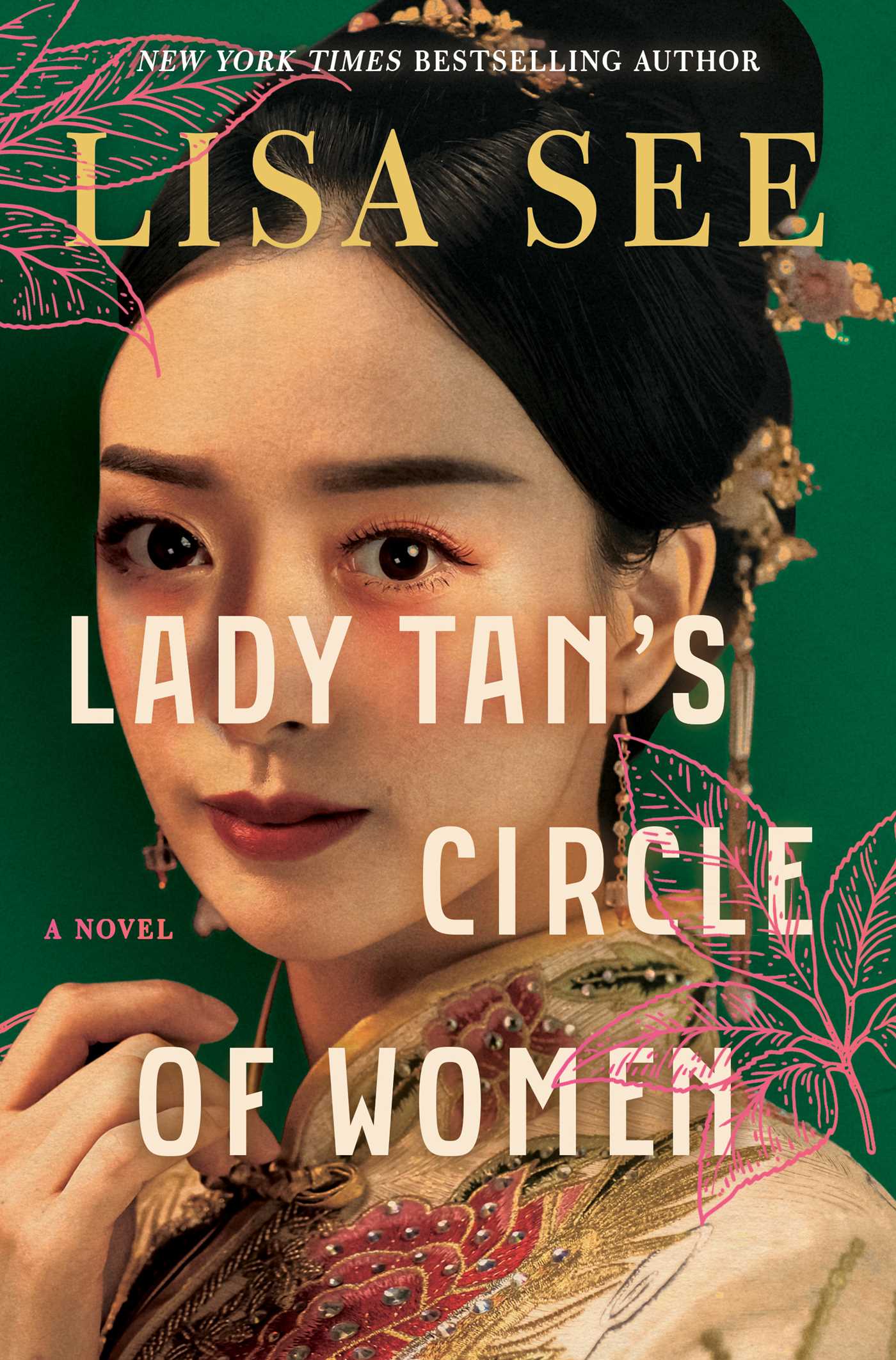
Lisa See has built a career on unearthing women's stories history tends to flatten or erase, and this one might be her most quietly radical. Rooted in the real life of Tan Yunxian, a Ming dynasty physician whose case records actually survive, the novel earns its emotional weight through specificity rather than sentiment. The medical detail here is genuinely fascinating, See clearly did her homework on historical Chinese women's medicine, and it never reads like a lecture. Fans of See's own Snow Flower and the Secret Fan will recognize her gift for depicting female friendship as both sanctuary and battleground, but this one feels more grounded, less mythic, more interested in the texture of daily survival. Readers who loved the medical world building in The Midwife of Venice or the class tension of Pachinko will find a lot to love in how See handles the collision between Yunxian's elite status and Meiling's working class pragmatism. It's not a fast book, and some readers may want more momentum in the middle stretch, but the payoff is a story that treats women's work, especially care work, as worthy of real narrative weight. A solid, thoughtful pick for anyone who wants their historical fiction to come with substance.