Michael Cunningham's Pulitzer-winning novel wove together the lives of three women across three eras, all shadowed by Virginia Woolf. Stephen Daldry's 2002 film brought that structure to the screen with an ensemble cast and a very famous prosthetic nose.
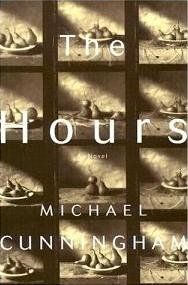
The Book
The Hours
by Michael Cunningham
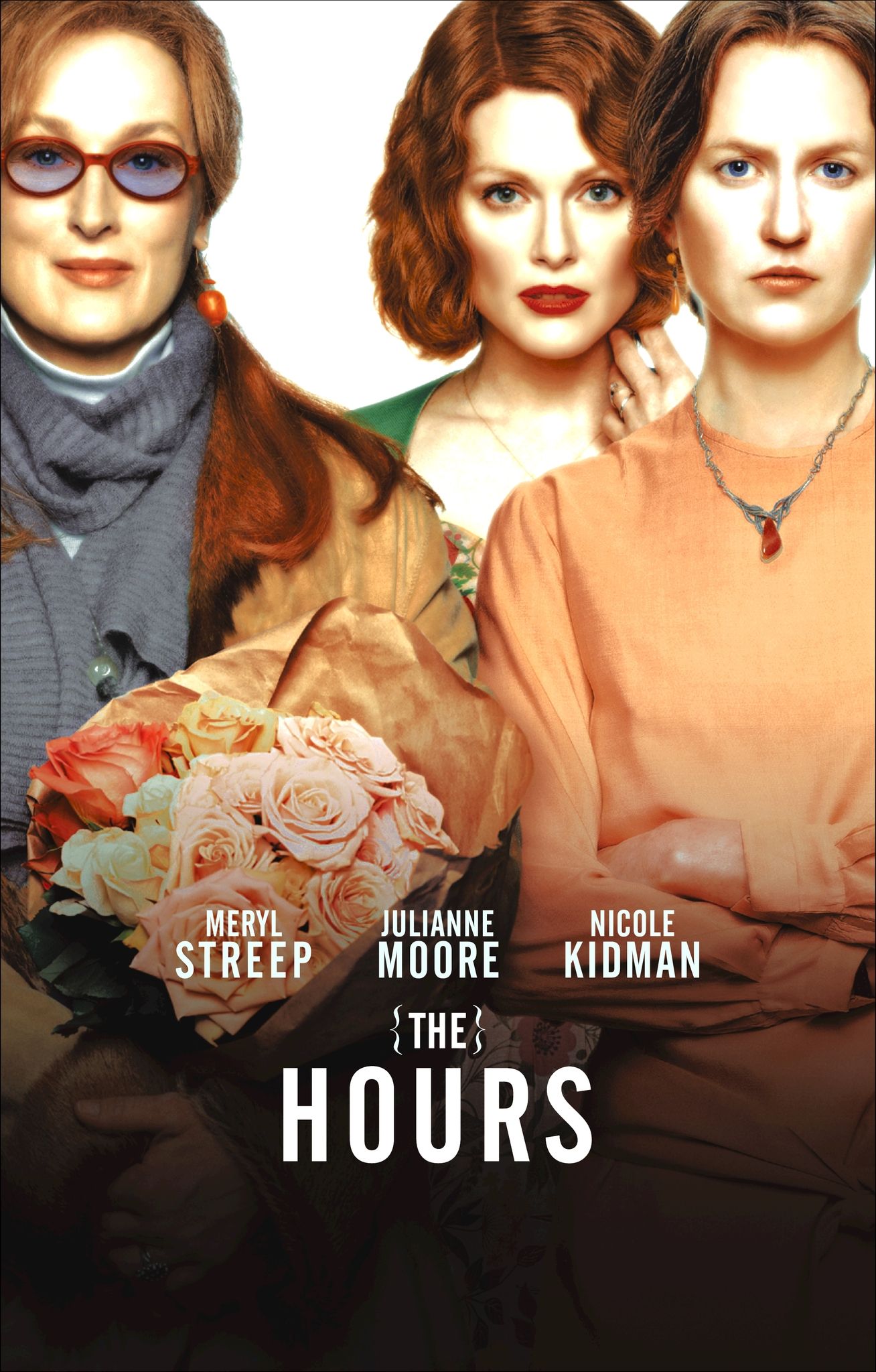
The Film
The Hours
Directed by Stephen Daldry, 2002
🔀 What Changed
Spoiler warning: this section discusses plot changes, including the ending.
David Hare's screenplay compresses Cunningham's interior, free-indirect prose into dialogue-driven scenes, necessarily flattening some of the novel's dense inner monologue, especially Woolf's passages. The film also makes the connection between Laura Brown and Richard more explicit and visually direct than the book's quieter structural parallels. Clarissa's party planning, internal in the novel, becomes more externalized through conversations added for the screen. The ending largely preserves the book's three-timeline convergence, but the film telegraphs the link between Laura and Richard earlier and more plainly than Cunningham's prose does, trading some ambiguity for clarity.
🎙️ What the Author Said
Cunningham has spoken positively about the adaptation in multiple interviews, noting he was closely involved and pleased with how David Hare and Stephen Daldry translated the novel's structure to film. He has specifically praised Nicole Kidman's performance as Woolf and said he felt the adaptation honored the spirit of the book rather than simply replicating its text, a stance he's reiterated in later retrospective interviews about the film's legacy.
“Cunningham called the film a faithful translation of the book's spirit.”
Both versions trace the same three women across the same single day. Now it's your call which one lands harder.