Patricia Highsmith's cool, amoral con artist got a lush, star-studded makeover in 1999. The novel and the film share a premise but diverge sharply in tone and in how they handle Tom Ripley's crimes.
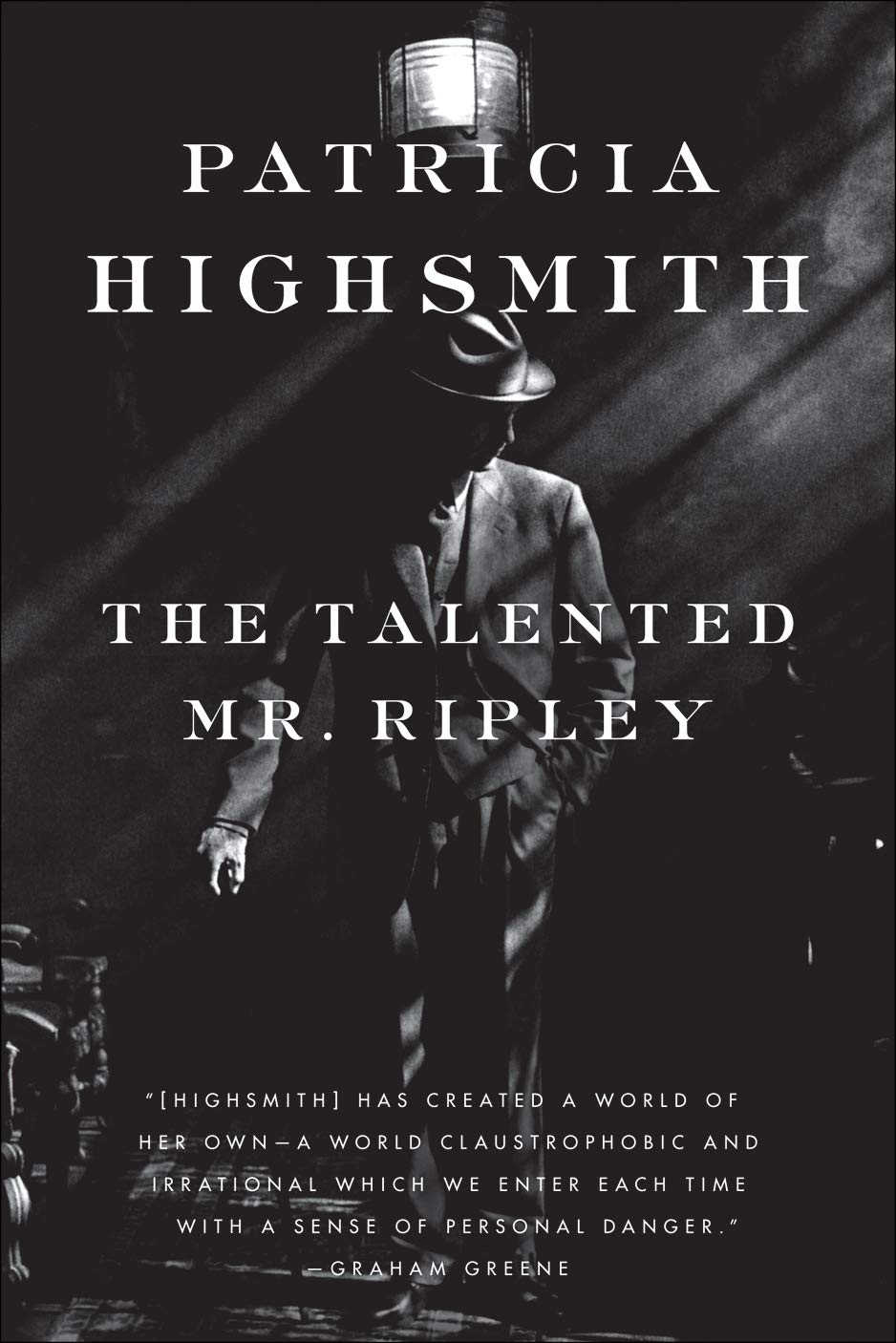
The Book
The Talented Mr. Ripley
by Patricia Highsmith
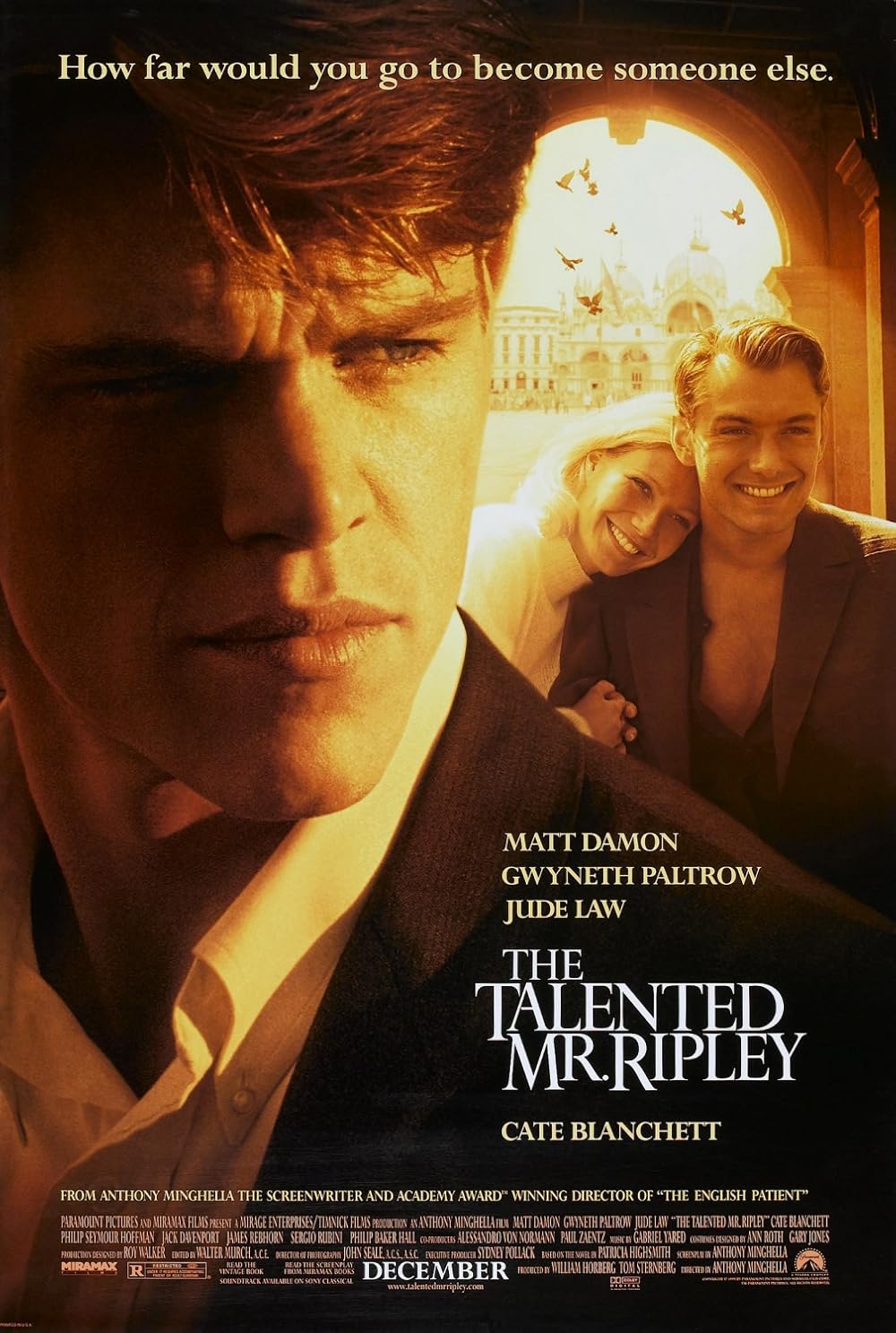
The Film
The Talented Mr. Ripley
Directed by Anthony Minghella, 1999
🔀 What Changed
Spoiler warning: this section discusses plot changes, including the ending.
Minghella's film makes Ripley's attraction to Dickie Greenleaf overtly romantic and tormented, where Highsmith's novel kept it ambiguous and clinical. The film also adds the character of Meredith Logue, who does not exist in the book, to raise stakes around Ripley's exposure. Most significantly, the ending changes Ripley's emotional trajectory: the novel leaves him coolly unbothered by his crimes, while the film closes on him visibly shattered, having killed someone he loved. The book's clipped, detached prose style, central to its unsettling effect, is necessarily replaced by visual and musical mood-setting.
🎙️ What the Author Said
Patricia Highsmith died in February 1995, four years before the film's 1999 release, and there is no documented record of her reacting to Minghella's adaptation specifically. She had, however, spoken previously about adaptations of her work in general interviews, expressing mixed feelings about Hollywood's tendency to soften or moralize her amoral protagonists. No direct, verified comment on this particular film exists.
“Highsmith died before this adaptation ever reached a screen.”
Two very different takes on one unsettling character. Now it's your turn to decide which version gets it right.