A boy, a tiger, and a lifeboat became one of the most visually ambitious adaptations of the 2010s. Here's how the page and the screen compare, and what the author himself had to say about it.
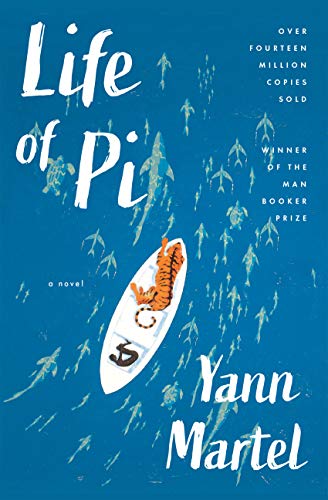
The Book
Life of Pi
by Yann Martel
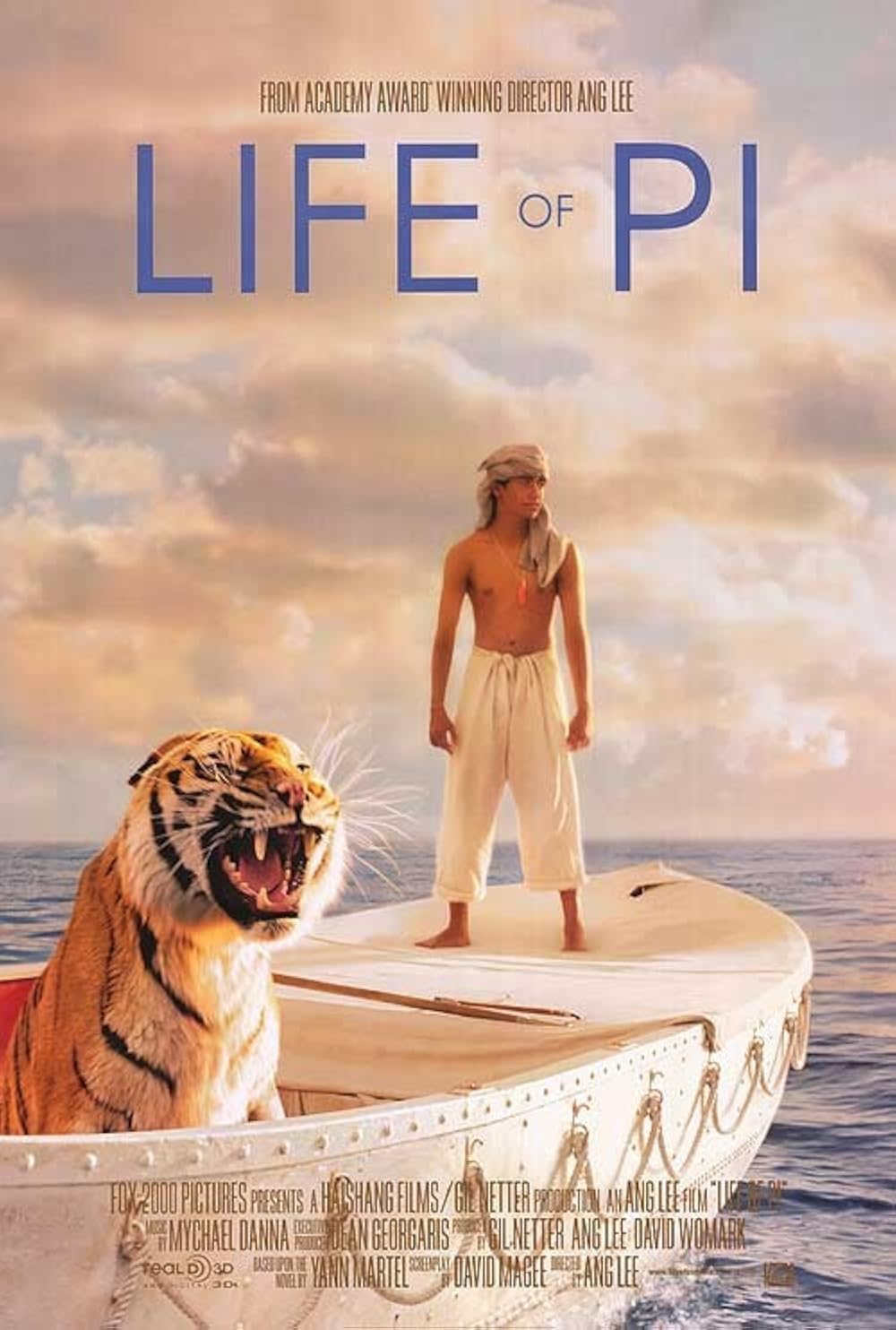
The Film
Life of Pi
Directed by Ang Lee, 2012
🔀 What Changed
Spoiler warning: this section discusses plot changes, including the ending.
The novel's framing device is more layered, with the writer-narrator interviewing adult Pi in Canada, a structure the film compresses significantly for pacing. The book spends considerably more time establishing Pi's multi-faith upbringing and the zoo's operations before the shipwreck, while the film moves to the ocean sequence faster. The French castaway encounter on the carnivorous island is depicted with more explicit grotesquerie in the book. The film also softens some of the ambiguity around the 'two stories' ending, using visual cues that nudge viewers toward one interpretation more than the novel's prose does.
🎙️ What the Author Said
Yann Martel has spoken publicly, including in interviews around the film's release, about being pleased with Ang Lee's adaptation, praising the director's visual interpretation of the story and noting that Lee captured the emotional and philosophical core of the novel despite the medium's constraints. Martel has described the collaboration and consultation process as respectful of his original vision.
“Martel praised Lee for honoring the story's emotional and philosophical core.”
Both versions ask readers and viewers to choose their own truth. Now it's your turn to pick a side.