Our Take
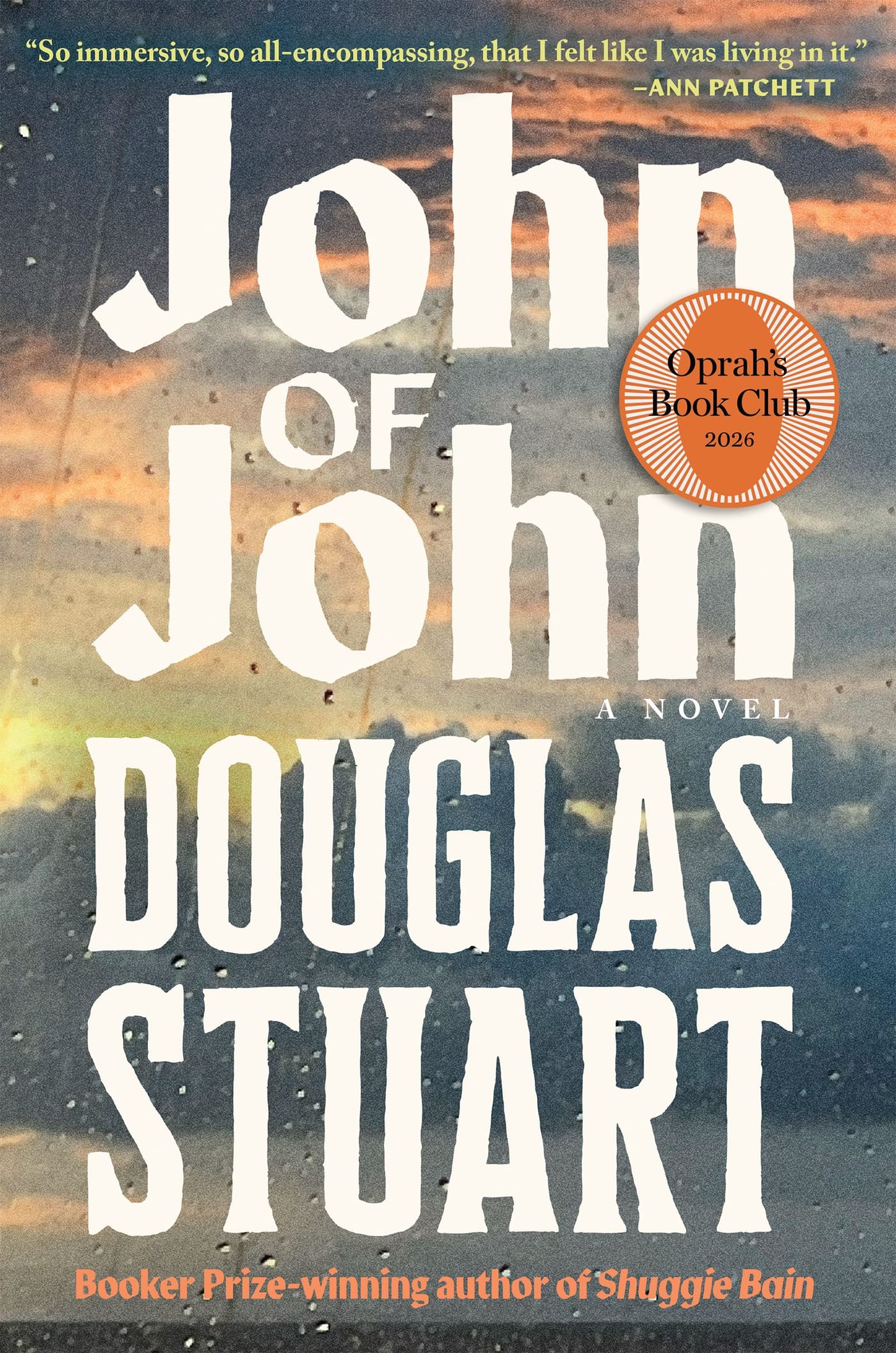
Douglas Stuart's novels are built around a particular kind of pressure — the pressure of a life lived inside constraints that were never chosen, in places that offer beauty and belonging alongside suffocation. Shuggie Bain did it through grief and addiction in Glasgow. Young Mungo did it through sectarianism and first love. John of John does it on the island of Harris, and the wider canvas — the landscape, the seasons, the rhythms of crofting life — gives Stuart room to work at an even slower, more deliberate pace than before. Cal's situation has the structural simplicity of a classic: a young man returns home, caught between who he is and what the world he came from expects him to be. But Stuart fills that structure with the dense, specific texture of a real community — the Presbyterian kirk, the tweed loom, the social architecture of a small island where everyone's business is everyone else's. Ella, the grandmother, is an immediate joy: sharp-tongued, irreverent, and the novel's moral compass in disguise. Readers who've followed Stuart from Shuggie Bain will recognize his gifts and find them deepened here. For those new to his work, this is an excellent entry point. Fans of Alan Hollinghurst's The Swimming-Pool Library or Graeme Macrae Burnet's atmospheric Scottish fiction will find the same serious literary ambition in every page.