Our Take
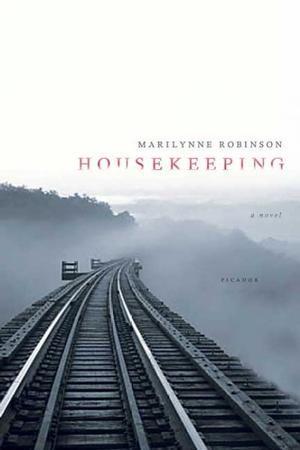
Few debut novels announce a voice as completely as Housekeeping. Marilynne Robinson's 1980 book was a finalist for the Pulitzer Prize and won the PEN/Hemingway Award for first fiction, and its reputation rests on sentences that make the ordinary world feel strange and enormous. Plot is the least of the reasons to read it. The pleasure is in the prose, which treats lakes, winters, and empty rooms with the weight most novels save for dramatic events. The story is told by Ruth, looking back on her childhood in Fingerbone, Idaho, and Robinson uses that distance to turn domestic details into something close to scripture. Themes of loss, belonging, and what it means to keep a home (or not) run underneath every page. It is a slow book, and it rewards readers who are happy to linger rather than race. If you love Robinson's later novel Gilead, this is where that hush and moral seriousness began. Readers who enjoy the plain, aching landscapes of Kent Haruf's Plainsong or the compressed, haunting reach of Denis Johnson's Train Dreams will find kindred spirits here. Elizabeth Strout's Olive Kitteridge is another good companion for anyone drawn to quiet lives examined with great care. This is a book for patient readers, lovers of beautiful sentences, and anyone who has ever felt slightly out of step with the world around them. Keep a pencil nearby. You will want to underline.