Our Take
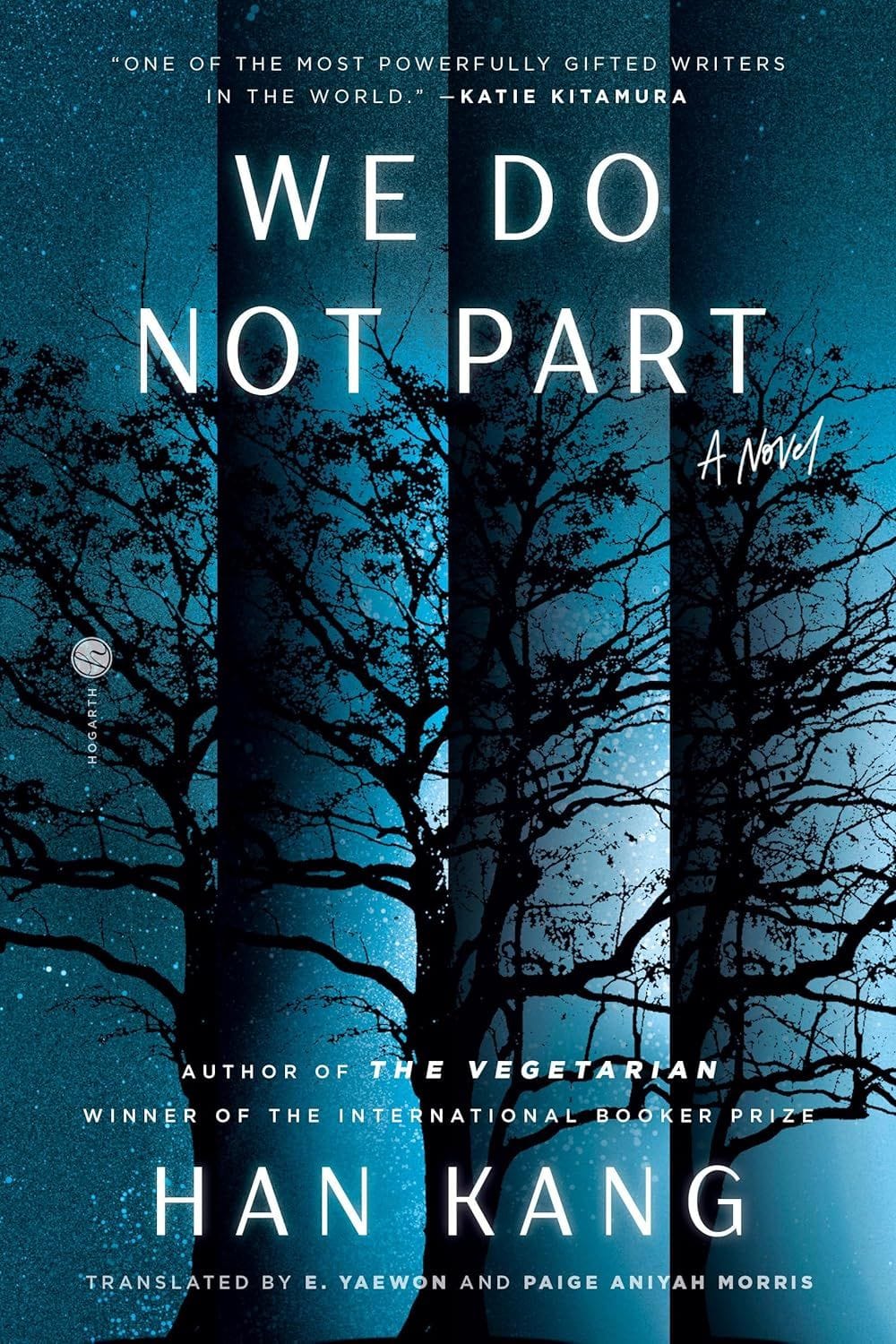
Han Kang has spent her career asking the same essential question from different angles: how do we live alongside history's violence, and what do we owe the dead? We Do Not Part is her most recent and, many argue, most fully realized attempt at an answer. Where Human Acts confronted the Gwangju Uprising with almost unbearable directness, this novel approaches its subject -- the Jeju massacre of 1948, in which tens of thousands were killed by South Korean security forces -- obliquely, through dream, snow, and the slow uncovering of one family's buried story. The result is a book that operates on multiple registers simultaneously: thriller in its opening movement, as Kyungha battles the blizzard toward the house; elegy in its middle section, as history surfaces through memory and hallucination; and something closer to prayer by its end. Han's prose, even in translation, carries an extraordinary delicacy. The translators e. yaewon and Paige Aniyah Morris have done remarkable work preserving the texture of writing that, as the Nobel committee noted, confronts historical traumas while exposing the fragility of human life. At 256 pages it is short but not small. Readers who were devastated by Human Acts will find this essential, and those coming to Han Kang for the first time will understand immediately why the Nobel committee chose her. One of the most important novels of 2025.