Our Take
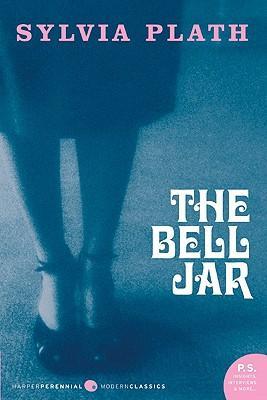
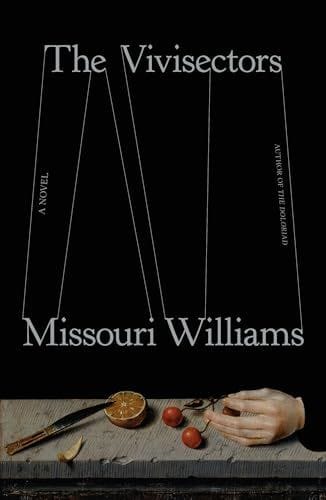
Missouri Williams announced herself as a singular literary force with The Doloriad, and The Vivisectors confirms that debut was no accident. Where The Doloriad worked in post-apocalyptic extremity, this novel operates in a stranger register — the campus novel as gothic allegory, the love story as philosophical dissection. The setting alone is extraordinary: a university city where vegetation slowly overtakes the architecture and the social order teeters between scholars and gardeners. It's the kind of world-building that doesn't explain itself and doesn't need to. At the novel's center is a narrator whose studied indifference is both the book's greatest formal achievement and its central dramatic tension. Williams is clearly in conversation with writers like Ottessa Moshfegh — My Year of Rest and Relaxation comes to mind — but her sensibility is colder, more philosophically restless. Kirkus drew the comparison aptly, describing this as a "flinty, withholding novel full of dark intelligence." Readers who gravitate toward Rachel Cusk's Outline or the icy interiority of Nathalie Sarraute will find a natural home here. This is literary fiction that demands active reading and rewards it fully — one of the most distinctive novels of 2026.