
Our Take
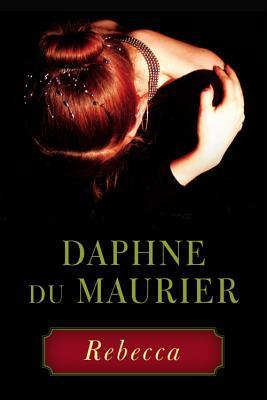
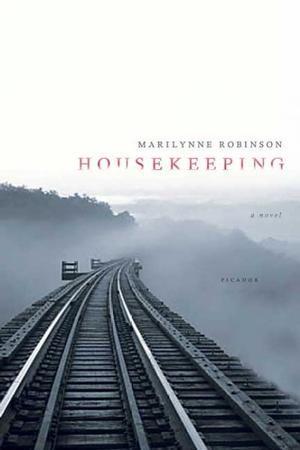
The great pleasure of Middlesex is its voice. Cal Stephanides tells his story with humor, tenderness, and a storyteller's habit of wandering, and you follow gladly because every detour pays off. Jeffrey Eugenides takes a huge canvas, from a village near Smyrna to Prohibition era and postwar Detroit, and keeps it intimate by anchoring it in one family's quirks, loves, and long kept secrets. It won the Pulitzer Prize for Fiction in 2003, and it earns the praise by blending family saga, history, and a deeply personal coming of age story. Readers who enjoyed Eugenides' debut, The Virgin Suicides, will recognize his gift for mythic, slightly strange narration, though this novel is warmer and far more expansive. If you like sprawling multigenerational stories that make a city feel like a character, The Corrections by Jonathan Franzen is a natural companion, and Pachinko by Min Jin Lee offers a similarly wide historical sweep through one family's displacement and survival. The themes are identity, inheritance, and the stories families tell to survive. Eugenides handles them with wit and real empathy, and he lets the big questions about who we are and what we pass down emerge naturally from the characters instead of announcing them. It is a long book, and the early chapters take their time before the narrator's own story comes into focus. Patient readers get a rich reward. Pick this up if you love big, voice driven literary fiction with heart, humor, and a strong sense of place.