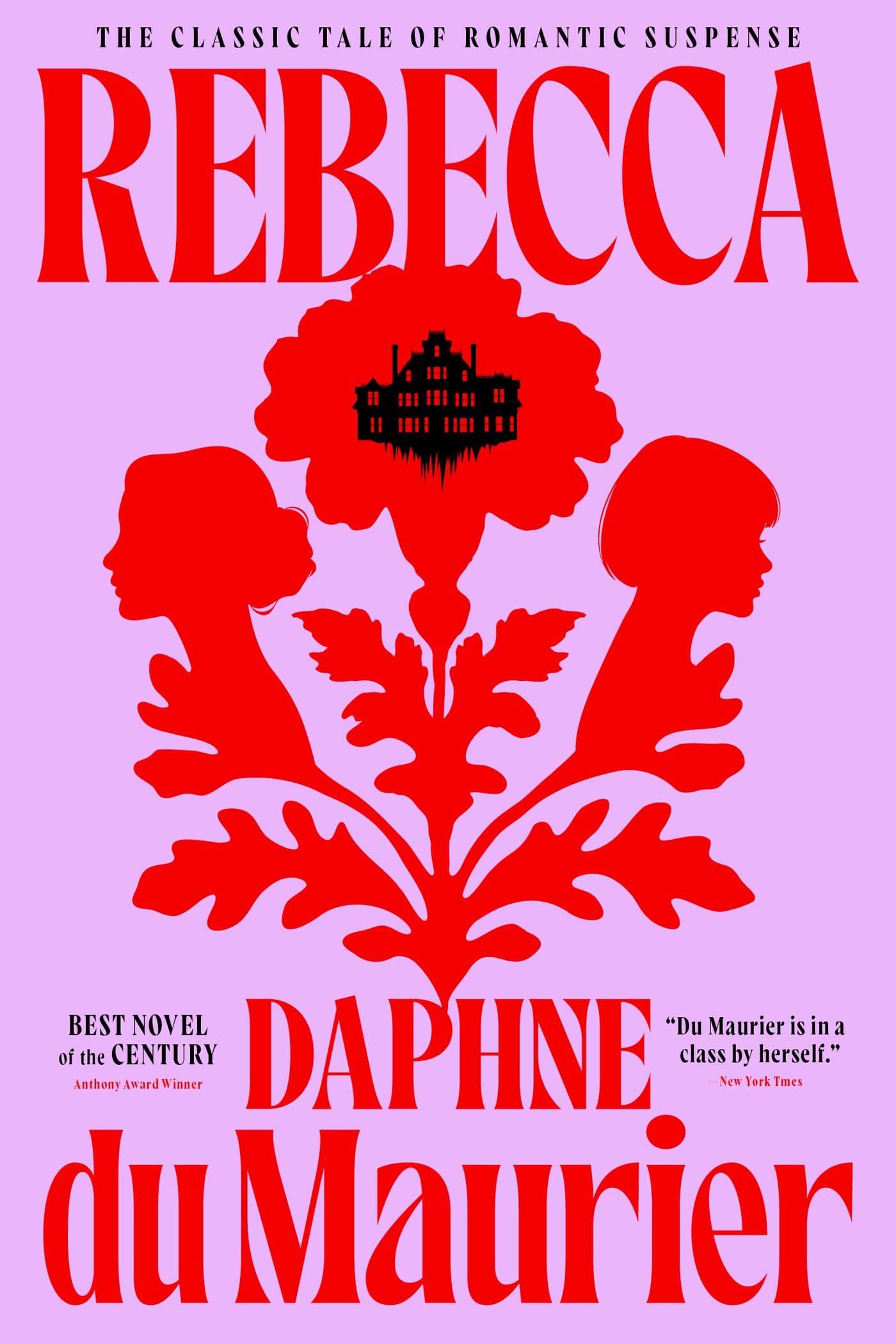
Our Take
The great trick of Rebecca is that its title character never appears, yet she dominates every page. Daphne du Maurier builds a story around absence, and the effect is a slow, creeping unease that hasn't faded since the book first appeared in 1938.
The unnamed narrator is the heart of it. She is awkward, eager to please, and painfully aware that she is being measured against a woman everyone adored. Du Maurier writes her insecurity so precisely that you feel every glance and every awkward silence at Manderley. The house itself becomes a character, with its rooms, routines, and servants all holding the past in place.
The book sits in a tradition that includes Charlotte Brontë's Jane Eyre, with its young woman, brooding master, and secrets tucked inside a grand home. Yet du Maurier's version is cooler and more psychological, more interested in jealousy, class, and identity than in romance. The prose is lush without being heavy, and the pacing keeps pulling you forward, which is why it works as both a literary classic and a page turner.
This is a great pick for readers who like atmosphere over action and who enjoy a story that tightens by degrees. If you loved Shirley Jackson's We Have Always Lived in the Castle or The Haunting of Hill House, you will feel at home here. It also suits anyone who wants a classic that still feels sharp, and a reminder of why that famous first line still gets quoted.