Our Take
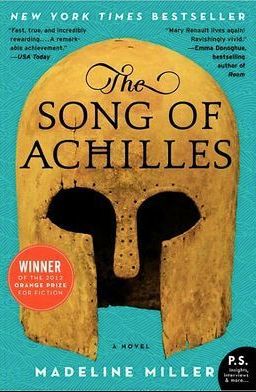
Madeline Miller's genius here is making a 3,000 year old story feel urgent and intimate. By narrating through Patroclus rather than Achilles, she shifts the Iliad's focus from battlefield glory to the quiet, aching interiority of loving someone larger than life. The prose is lush without being overwrought, and Miller's background in classics shows in how naturally she folds in gods, prophecy, and Homeric detail without ever feeling like a lecture. Fans of Pat Barker's The Silence of the Girls will recognize the impulse to reclaim overlooked voices from Greek myth, while readers of Miller's own later novel Circe will see the same gift for making immortal figures feel achingly human. There's also a kinship with Kazuo Ishiguro's quieter, elegiac tragedies in the way inevitability hangs over every tender scene. What makes the novel work is Miller's refusal to rush toward the war. She spends real time on boyhood, on the specific textures of a friendship becoming a love, so that when Troy finally arrives, readers are fully invested in what's at stake. This is a book for anyone who loves mythology retellings, doesn't mind knowing the ending, and wants a love story that earns every bit of its heartbreak.