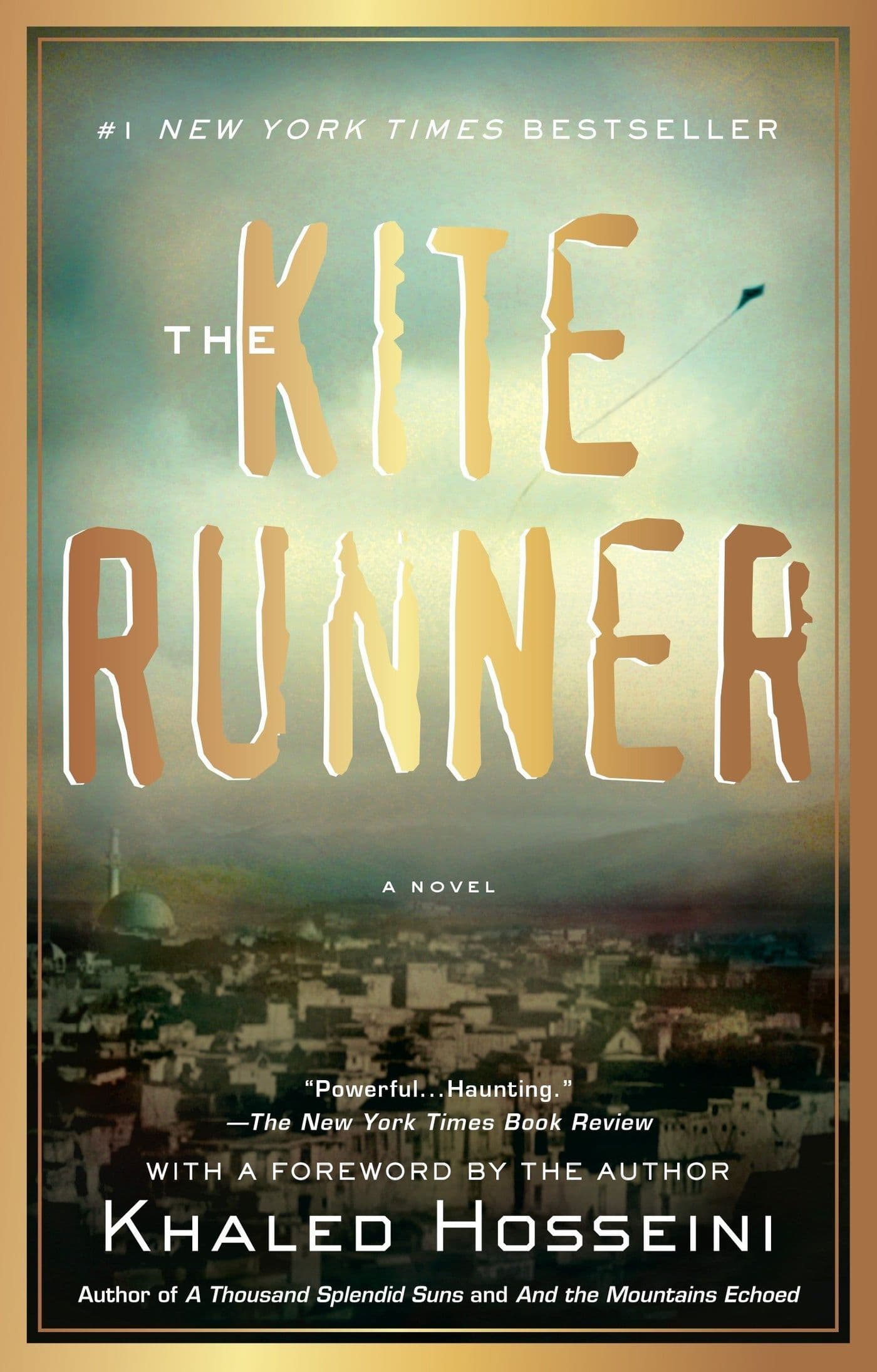
The Kite Runner
by Khaled Hosseini
Literary
Historical
371 pages
"I thought I knew where The Kite Runner was headed, and it still wrecked me. Amir's guilt felt so real, and his bond with Hassan stayed with me long after I closed the book."
Synopsis
The Kite Runner opens in Kabul, Afghanistan, where young Amir grows up in a comfortable home with his father, a wealthy and respected merchant. His closest companion is Hassan, the son of his father's servant, a loyal boy who is quick to defend Amir and who is gifted at running kites during the city's beloved winter tournaments. Their days are full of games, stories, and the kind of friendship that seems unbreakable, even as the differences in their backgrounds quietly shape how they see one another.
Then comes a winter tournament that changes everything. A choice made in a single, painful moment leaves Amir carrying a weight he cannot put down, and the friendship at the center of his childhood begins to fracture. As political turmoil closes in on Afghanistan, Amir and his father leave for a new life in California, but distance does not erase memory.
Years later, a phone call from the past pulls Amir back toward the people and the country he left behind. He is forced to face what he did and what he failed to do. The question driving the story is whether it is ever possible to make amends, and what it might cost to try.
Our Take
What makes The Kite Runner endure is how personal it feels. Khaled Hosseini wrote a story about guilt, loyalty, and the long reach of one childhood choice, and he lets the big historical events of Afghanistan sit in the background of a deeply human story. That balance is why so many readers remember it years later.
The prose is plain and direct, which gives the emotional moments room to land. Amir is not an easy narrator to love, and that honesty is the point. The book keeps returning to friendship, class, fatherhood, and the question of whether anyone can make up for a past failure. It also gives a vivid picture of Kabul before and after upheaval, and of life as an immigrant in California.
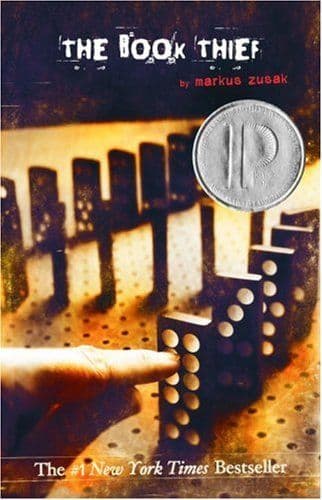
If you want more novels that follow families through history, Hosseini's own A Thousand Splendid Suns is the natural next read. Pachinko by Min Jin Lee offers a similar generational sweep, and The Book Thief by Markus Zusak pairs childhood friendship with a turbulent historical backdrop.
This is a great pick for readers who like emotional, character driven fiction and do not mind a story that asks hard questions. Keep tissues nearby, and expect to want to talk about it with someone once you finish.