Our Take
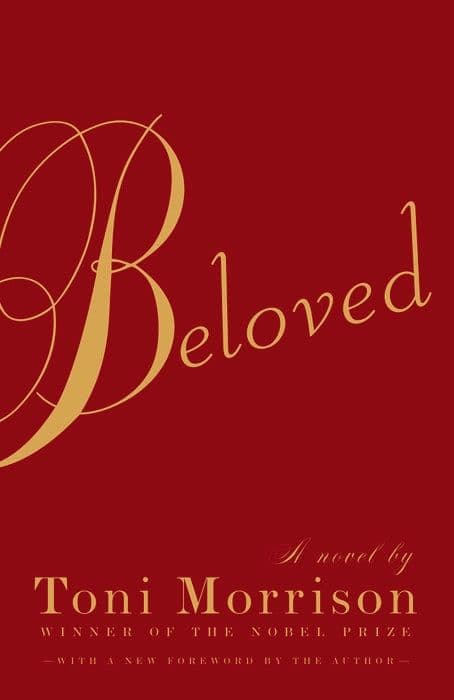
Beloved stands as one of American literature's most profound explorations of historical trauma and its lasting effects on both individual psyches and collective memory. Morrison's genius lies in how she uses the supernatural element—the ghost/incarnation of Beloved—not as a mere plot device but as a powerful metaphor for how the unresolved past can materialize in the present, demanding acknowledgment and reckoning. The novel revolutionized how literature addresses slavery by focusing not on the physical brutality alone (though that is unflinchingly portrayed), but on the psychological and emotional devastation inflicted on enslaved people forced to live as property rather than as humans with the right to love. Morrison's dense, poetic prose style—with its fragmented narratives, stream-of-consciousness passages, and shifting perspectives—perfectly captures both the disorienting nature of trauma and the ways enslaved people preserved their humanity through oral storytelling traditions. What makes Beloved truly exceptional is how it simultaneously functions as a historical novel about slavery, a ghost story, a family drama about mother-daughter relationships, and a powerful assertion of the necessity of communal healing in the face of historical atrocity. Through its memorable characters and haunting imagery, Morrison created not just a literary masterpiece but a crucial contribution to America's ongoing struggle to confront and understand its racial history.