Our Take
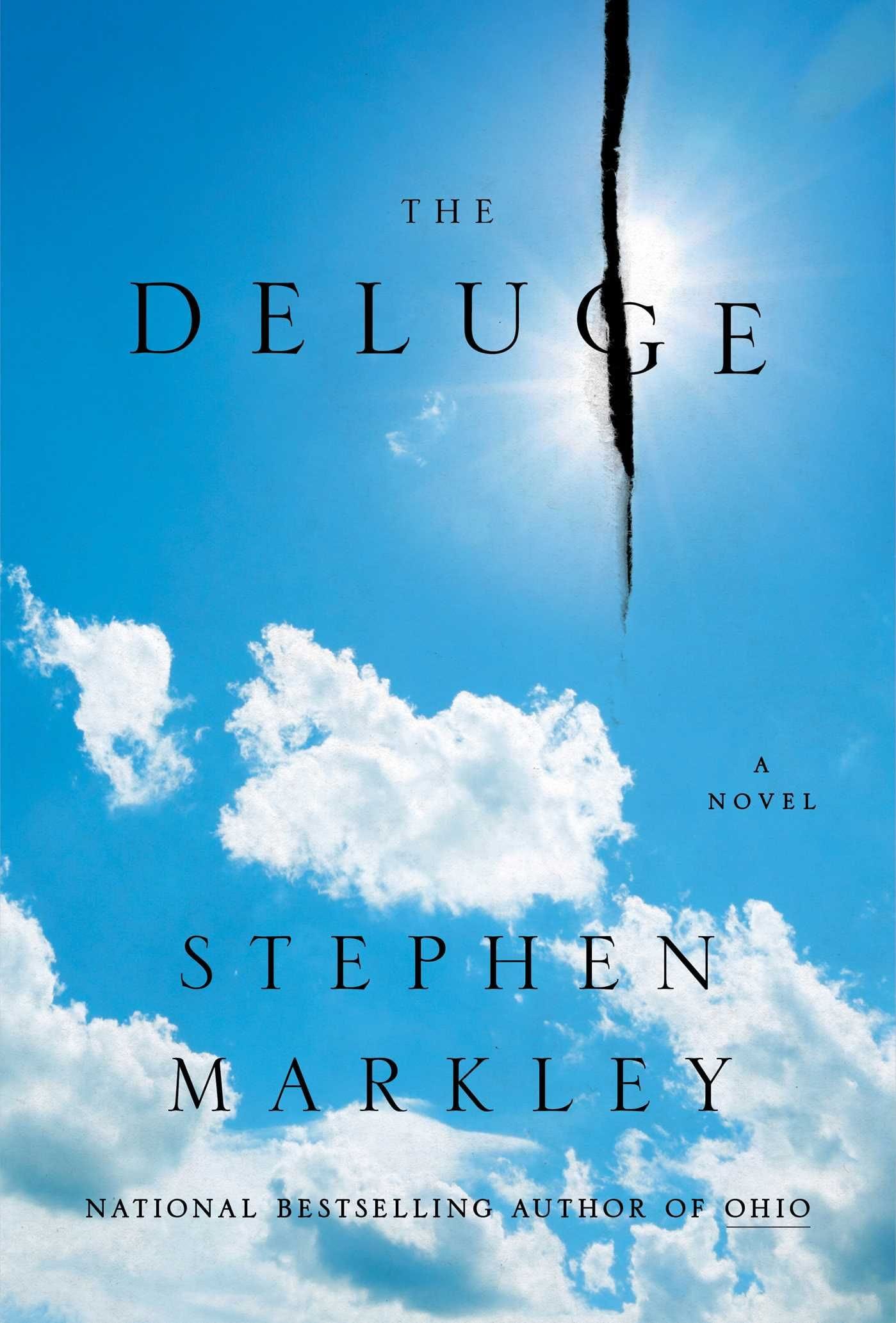
Nine hundred pages is a commitment, and Markley earns every one of them. The Deluge is the kind of novel that makes you feel the weight of what's at stake in a way that no amount of journalism or data quite manages—because it gives you people to care about, and then puts them inside the emergency. The polyphonic structure is controlled and purposeful, each voice distinct, each storyline adding pressure to the others until the whole thing becomes genuinely propulsive despite its scale. Stephen King called it the best novel he read in 2022 and more terrifying than The Stand—not because it's a horror novel, but because it isn't. Everything in The Deluge is extrapolated from real science, real politics, and real human behavior, which is exactly what makes it so difficult to shake. The Los Angeles Times called it "an astonishing feat of procedural imagination, narrative construction and scientific acumen," and the Washington Post noted its rare ability to be both instructive and a genuine page-turner. Markley's previous novel Ohio established him as a writer of serious ambition and deep empathy for people living through American decline. The Deluge extends that project to its logical and most urgent conclusion. Readers who were galvanized by The Overstory by Richard Powers—the Pulitzer-winning novel about humans and trees and the stakes of ecological indifference—will find a natural and even more plot-driven companion here. Fans of Station Eleven by Emily St. John Mandel who want something angrier and more politically engaged should pick this up. And anyone who read The Ministry for the Future by Kim Stanley Robinson and wished it had more fully realized characters will find exactly that in Markley.