Our Take
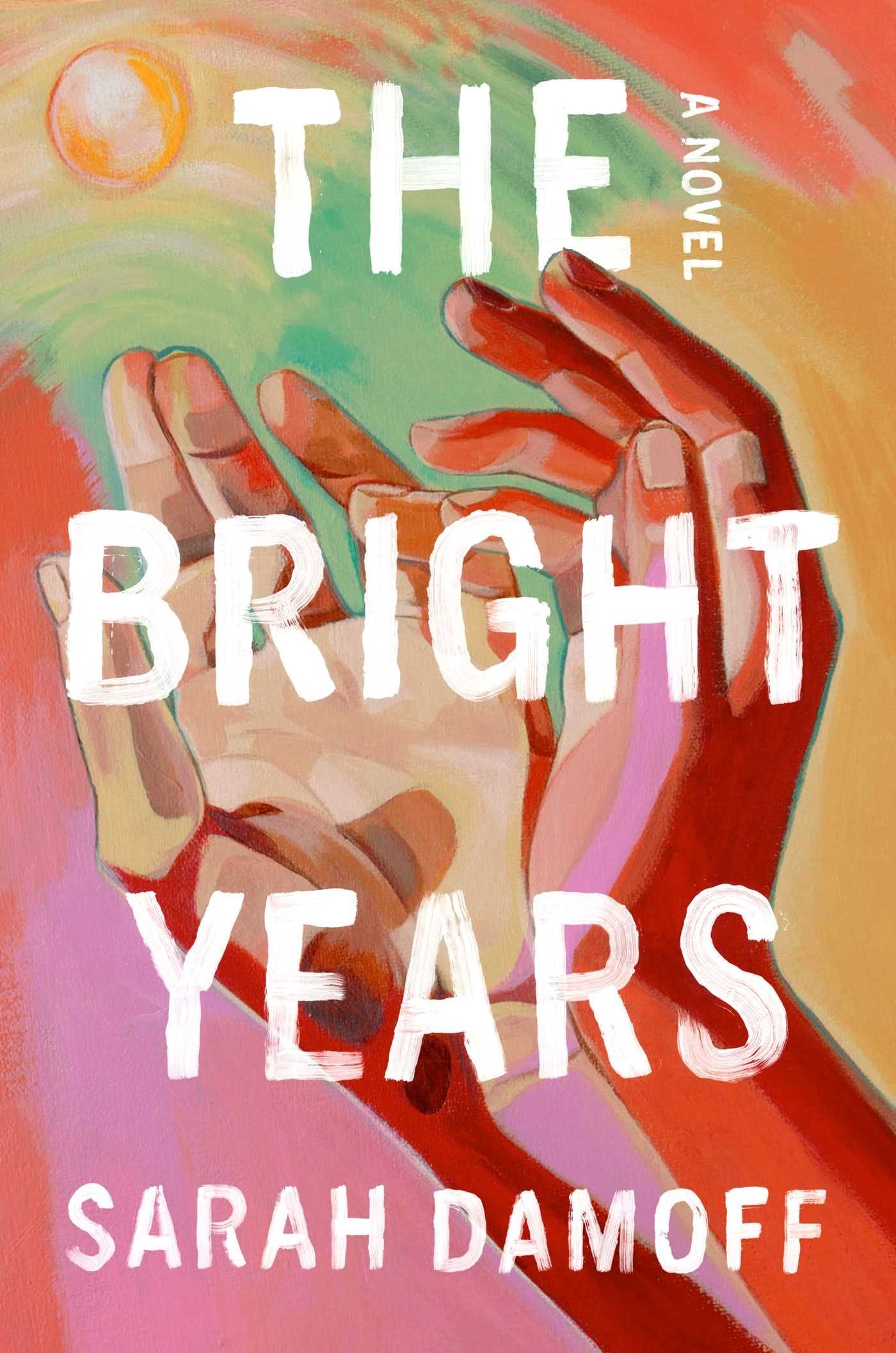
Damoff is a social worker by background, and it shows—not in any clinical sense, but in the precision and compassion with which she renders characters living inside the damage that addiction leaves behind. Ryan's alcoholism is never treated as a plot mechanism or a simple villain; it's a presence with its own logic, its own rhythms, and its own long aftermath. Elle called it "one of the most careful approaches to depicting alcoholism" in recent fiction, and that's exactly right.
What sets The Bright Years apart in the crowded multigenerational saga space is its structural confidence. The three-POV approach gives each generation its own emotional center of gravity, and Damoff resists the temptation to tie things up too cleanly. Reconciliation, when it comes, is hard-won and appropriately complicated.
Readers who loved The Most Fun We Ever Had by Claire Lombardo or Ask Again, Yes by Mary Beth Keane—family sagas that don't flinch from the mess but find something genuine on the other side—will find a lot to love here. A quietly remarkable debut.