Lauren Weisberger's roman-a-clef about a nightmarish magazine boss became a glossier, warmer Hollywood hit. Here's how the page and the screen actually diverge.
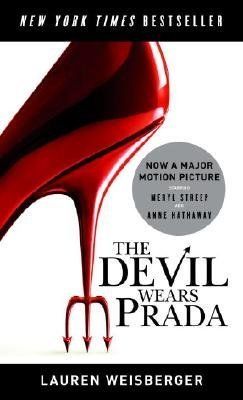
The Book
The Devil Wears Prada
by Lauren Weisberger
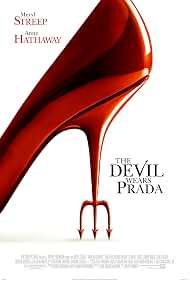
The Film
The Devil Wears Prada
Directed by David Frankel, 2006
🔀 What Changed
Spoiler warning: this section discusses plot changes, including the ending.
The novel's Miranda Priestly is portrayed as almost uniformly monstrous, with little redemption; the film gives her a vulnerable moment, revealing her impending divorce and softening her edges considerably. The book's Andy quits in a blaze of open confrontation, throwing her phone into a Paris fountain, while the film has her quietly walk away after a more understated moment of clarity. The film also downplays some of the novel's harsher, more degrading tasks Andy endures, and gives Miranda a closing gesture of quiet respect toward Andy that has no equivalent in the book.
🎙️ What the Author Said
In interviews around the film's release, including with Entertainment Weekly, Weisberger said she was pleased with the adaptation and appreciated screenwriter Aline Brosh McKenna's work, noting the film captured the spirit of the book even while softening Miranda's character. She has spoken positively about Meryl Streep's performance specifically, calling it a highlight of seeing her novel adapted.
“Weisberger said the film captured her book's spirit despite the changes.”
One version leans into the sting, the other into the shine. Now it's your call.