Alice Walker's Pulitzer Prize-winning novel became Steven Spielberg's 1985 film, and the two tell Celie's story in strikingly different ways. Here is what changed, what is on record about Walker's involvement, and where the decision lands: with you.
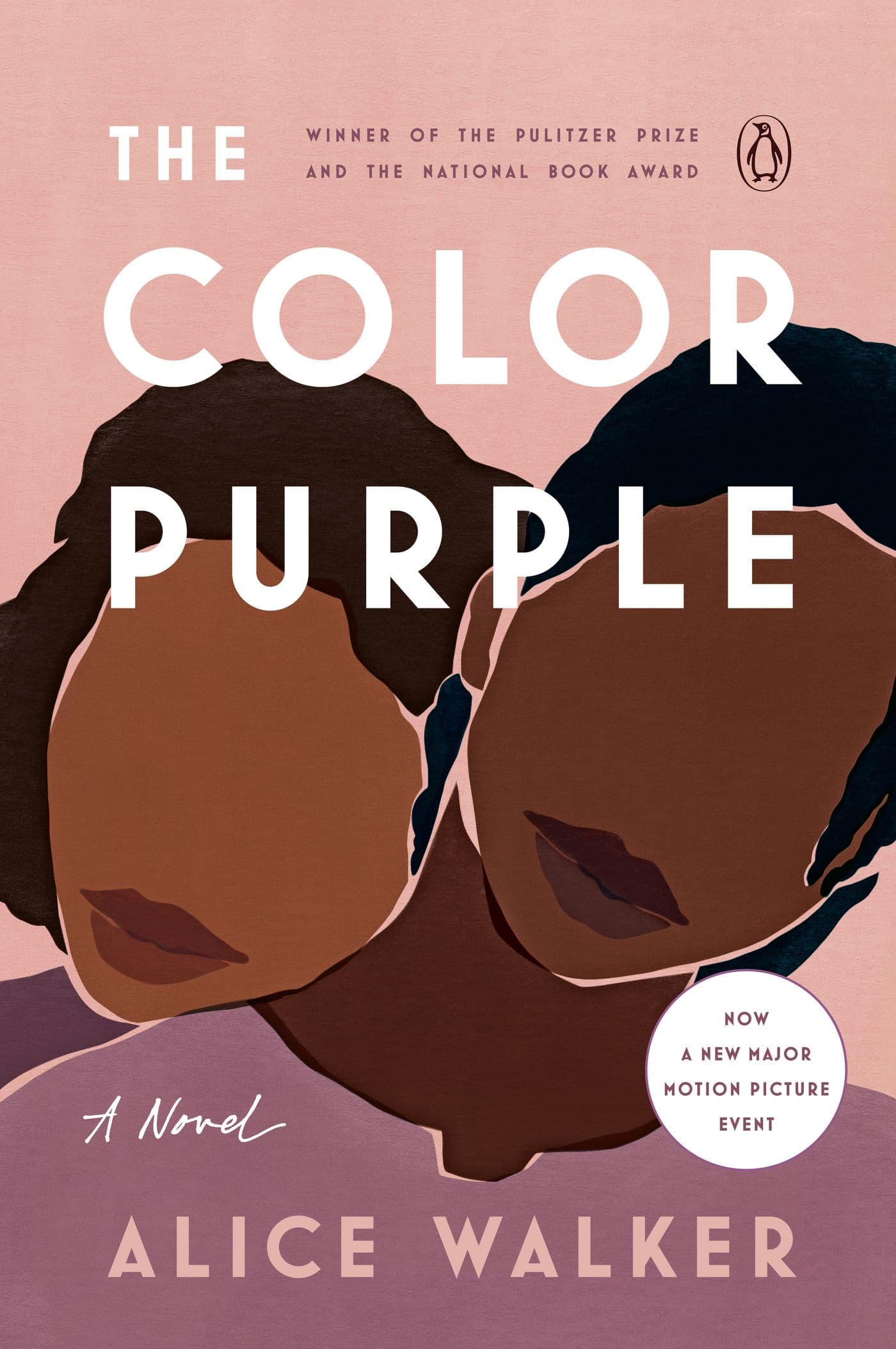
The Book
The Color Purple
by Alice Walker
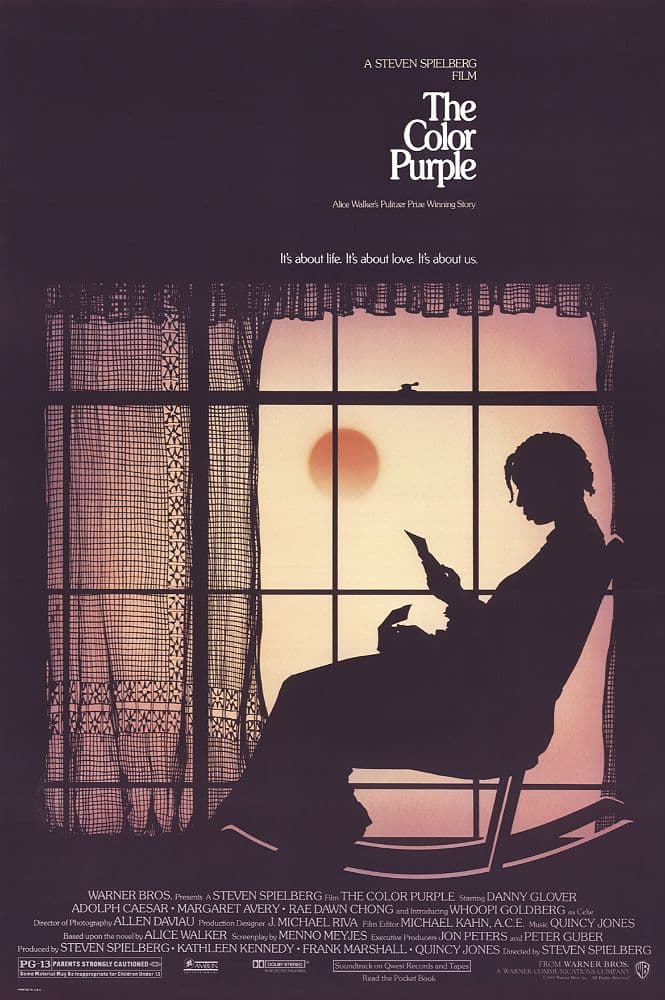
The Film
The Color Purple
Directed by Steven Spielberg, 1985
🔀 What Changed
Spoiler warning: this section discusses plot changes, including the ending.
The biggest change is form. The novel is epistolary, told through Celie's letters to God and later her sister Nettie's letters from Africa. The film turns that into conventional scenes, and Nettie's years in Africa take up far less room than they do on the page. The relationship between Celie and Shug Avery is another notable shift: the novel presents it as an openly romantic and sexual bond, while the film treats it more discreetly. The ending also differs in tone and mechanics. The film brings its reunion through a more streamlined, dramatic sequence, and it gives Albert, known as Mister, a clearer redemptive gesture, while the novel lets his change unfold more gradually across Celie's letters. Together, these choices turn a sprawling, interior book into a more compact, visual story.
🎙️ What the Author Said
What is firmly documented is Walker's direct involvement in the project: she wrote a draft screenplay for Spielberg's film, and that draft was not the version ultimately produced. She wrote about that experience in her 1996 book The Same River Twice: Honoring the Difficult. A complete, verified summary of her overall verdict on the finished 1985 film is not something we can responsibly reduce to a single line here, so we are not putting words in her mouth. Readers curious about her view should go to that book directly.
“Dear God, I am fourteen years old.”
One story, two very different ways of telling it. Which version stays with you more: the book or the movie?