A 1962 novel told from inside a psychiatric ward became one of the most decorated films of the 1970s. The author, though, kept his distance from the result.
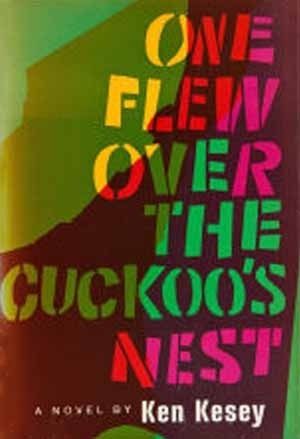
The Book
One Flew Over the Cuckoo's Nest
by Ken Kesey
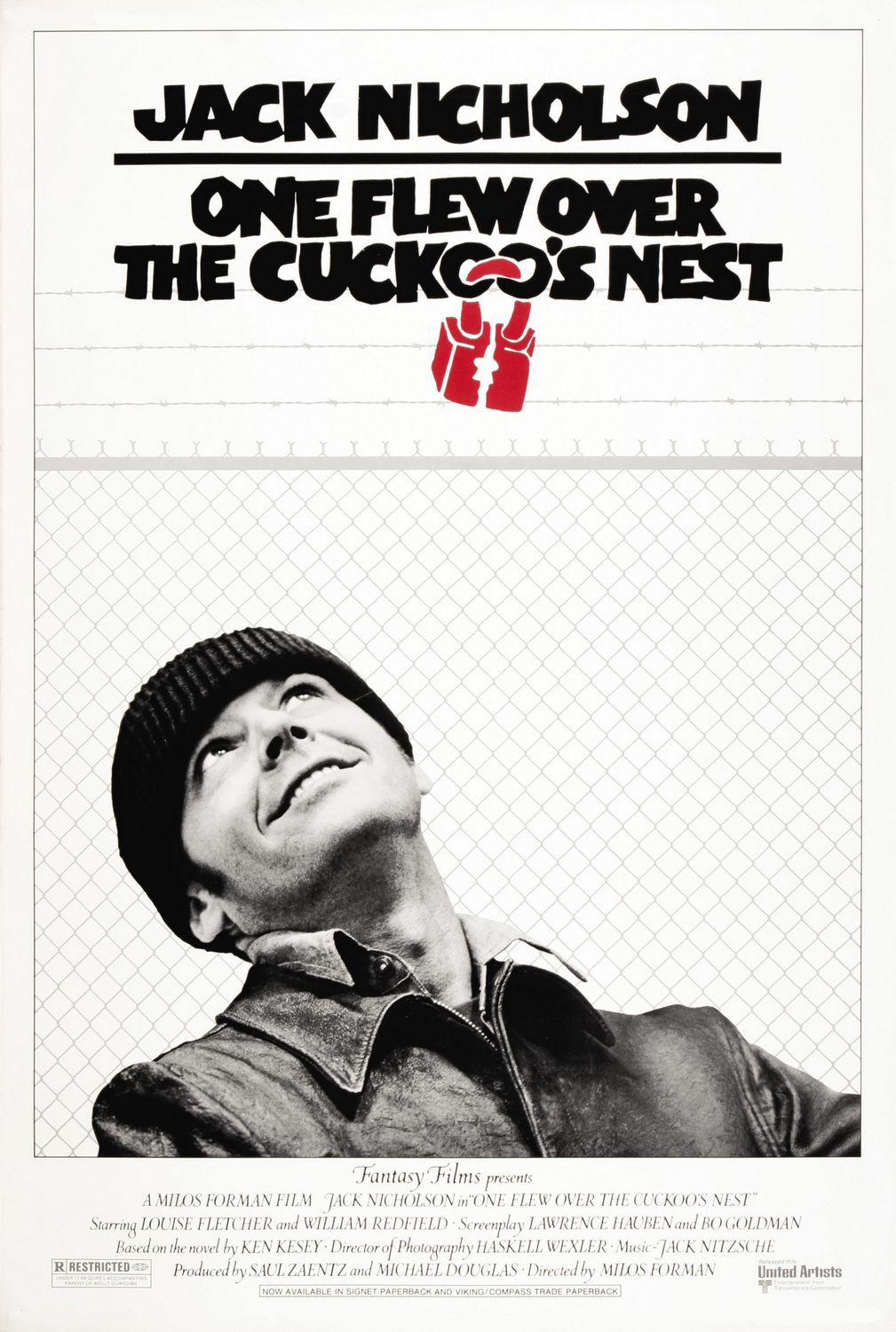
The Film
One Flew Over the Cuckoo's Nest
Directed by Miloš Forman, 1975
🔀 What Changed
The biggest change is point of view. Kesey's novel is narrated in the first person by Chief Bromden, a patient who pretends to be deaf and mute. His voice is hallucinatory and shapes how every scene reads, including how Nurse Ratched's ward feels like a machine. The film drops that narration entirely. Chief appears as a largely silent presence, and the story is seen mostly through R.P. McMurphy, played by Jack Nicholson. That moves the focus from Chief's inner world to the clash between McMurphy and Ratched, and it turns an interior, impressionistic novel into a more conventional, externally observed drama. The setting also became literal: the production filmed at the Oregon State Hospital in Salem, an Oregon institution, rather than staying in the book's unnamed ward. The central conflict survives, but who tells the story does not.
🎙️ What the Author Said
Kesey was involved early in the film's development, but he left the project over disagreements, and the point of view change is the most commonly cited reason. He later said he never watched the finished film, which has been reported widely in coverage of the book and the adaptation. The film went on to win the major Academy Awards, including Best Picture, but Kesey's own verdict on the final product was never formed from seeing it. That absence is the documented part of his reaction.
“Kesey said he never watched the finished film.”
One story, told through two very different sets of eyes. Which version gets your vote?