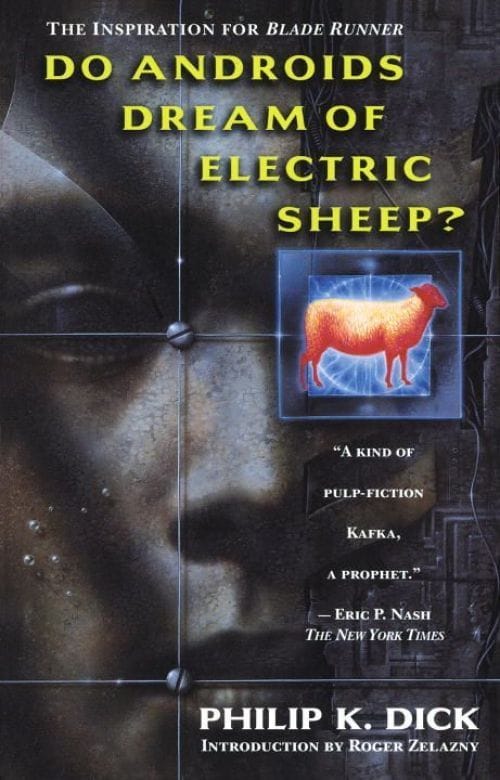
Do Androids Dream of Electric Sheep?
by Philip K. Dick
Science Fiction
Dystopian
244 Pages
"Do Androids Dream of Electric Sheep? gets under your skin in a way most science fiction doesn't. By the last page you're not sure what you believe about consciousness, empathy, or what it actually means to be alive."
Synopsis
By 2021, World War has left Earth a radioactive ruin. Most of humanity has emigrated to Mars, lured by the promise of android servants so sophisticated they are virtually indistinguishable from real people. Those who remain on Earth cling to status symbols — and nothing confers status quite like owning a live animal, in a world where most species have been driven to extinction. For those who can't afford the real thing, there are simulacra: electric sheep, mechanical horses, artificial birds. Rick Deckard is a bounty hunter. His job is to track down rogue androids who have fled Mars for Earth and to retire them — a euphemism for killing them. The androids are getting better. The only reliable way to tell them from humans is the Voigt-Kampff empathy test, which measures emotional response. But as Deckard moves through a grey, depopulated San Francisco hunting his targets, the questions start to multiply. What is empathy, exactly? Can it be faked? And if it can, does the distinction between real and artificial still mean anything? First published in 1968 and the direct inspiration for *Blade Runner*, Do Androids Dream of Electric Sheep? remains one of the most philosophically urgent novels in the science fiction canon — a book that has only grown more relevant with time.
Our Take
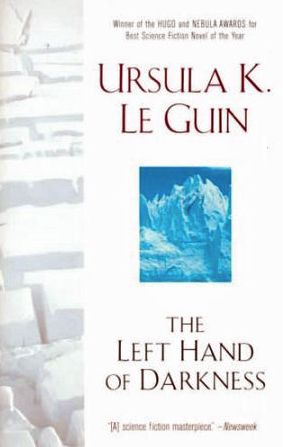
Philip K. Dick wrote prolifically and unevenly, but Do Androids Dream of Electric Sheep? is the book that crystallizes everything he was reaching for — a science fiction novel that uses its genre machinery to ask questions that philosophy has never fully answered. What makes a person a person? Is empathy something you have or something you perform? And if the performance is perfect enough, does the distinction matter? What's striking about the novel, especially reading it now, is how little it relies on action. Deckard moves through a half-empty world conducting interviews, administering tests, and slowly losing his certainty about what the tests are actually measuring. The pacing is quiet and strange, more Kafka than blockbuster, which makes the film adaptation — spectacular as it is — a genuinely different experience. Dick's San Francisco is grimy, melancholy, and full of people who have chosen to stay in a dying place for reasons they can't quite articulate. The animal obsession thread — the status anxiety around real versus artificial creatures — is one of the novel's most prescient inventions, a consumer culture critique buried inside a thriller that still lands with uncomfortable precision. Readers who were gripped by Kazuo Ishiguro's Klara and the Sun for its android narrator wrestling with the same questions, or who loved Ursula K. Le Guin's The Left Hand of Darkness for its philosophical patience, will find this essential. One of the genuine landmarks of American science fiction.