Our Take
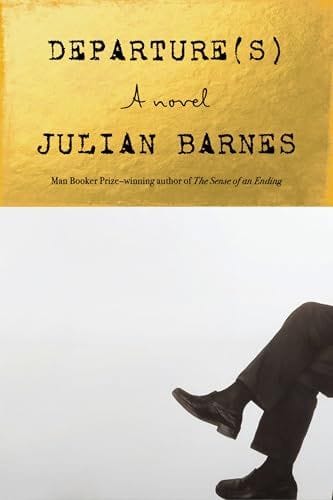
Julian Barnes has always been preoccupied with memory -- with how it distorts and edits and betrays us even as we depend on it -- and Departure(s) is the fullest expression of that obsession. The novel (if we call it that; Barnes resists the label) circles the same questions that have animated his best work: how much of what we remember is true, and does the answer matter if the feeling was real? The Sense of an Ending, which won the Booker in 2011, asked similar questions in a thriller-adjacent register. Departure(s) is quieter, more ruminative, and more personal -- the narrator is named Julian and the details of his life map closely onto Barnes's own, including his blood cancer and the death of his wife, the literary agent Pat Kavanagh. What distinguishes it from a memoir is the fictional frame: Stephen and Jean's love story, which the narrator has both orchestrated and betrayed by turning into fiction. The tension between a novelist's urge to shape life into story and the ethical cost of doing so is Barnes at his most self-scrutinizing, and it gives the book an unease that its elegiac tone might otherwise smooth over. At 160 pages it demands and rewards close reading. Readers who were moved by The Sense of an Ending or who admired the crystalline melancholy of Levels of Life -- his essay on grief after his wife's death -- will find this essential. A final book that earns the weight of the occasion.