Our Take
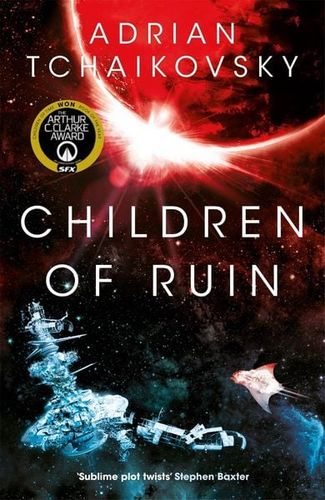
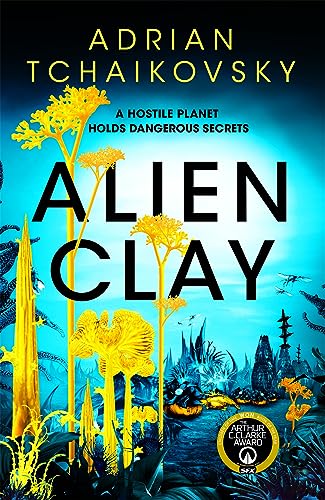
Adrian Tchaikovsky has built a career on taking evolutionary biology and turning it into propulsive, idea-dense fiction, and Alien Clay is one of his sharpest efforts yet. It reads like a collision between the political paranoia of a labor-camp novel and the biological strangeness of something like Annihilation, but with Tchaikovsky's own signature: an obsessive, joyful curiosity about how alien life might actually work, mechanically, ecologically, down to the cellular level. What elevates the book beyond a clever premise is how personal it stays. Arton isn't a passive observer cataloging wonders, he's a flawed, self-interested academic forced to reckon with his own complicity in the system that exiled him, which gives the book real emotional stakes alongside its conceptual ones. Fans of Children of Time will recognize Tchaikovsky's fascination with nonhuman consciousness, though this is a tighter, more claustrophobic story, closer in feel to The Left Hand of Darkness in how it uses an alien setting to interrogate power and control. It's not a fast, breezy read. Tchaikovsky lets the science and the politics breathe, and some readers may want more momentum in the middle stretch. But if you want science fiction that treats its aliens as genuinely alien and its politics as genuinely uncomfortable, this delivers both without flinching.