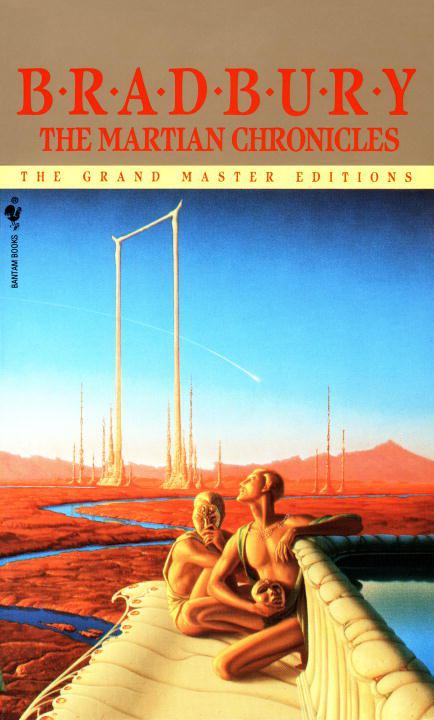
Our Take
Published in 1950, The Martian Chronicles remains one of the defining works of American science fiction, and it's held up specifically because Ray Bradbury wasn't really writing about Mars — he was writing about us. The Great Loneliness that kills off the first colonists is as much a comment on isolation and displacement as it is a plot device, and the later chronicles, in which humans bring their prejudices, greed, and self-destruction along with them to a new world, read less like alien invasion fiction and more like a mirror held up to Earth. Bradbury structured the book as a collection of interconnected short stories rather than a single continuous narrative, which gives it an episodic, almost mythic quality — some chapters are quiet character studies, others are outright tragic, and a few, like the haunting "There Will Come Soft Rains," stand almost entirely apart from the Mars narrative and still land as some of the most anthologized short fiction of the 20th century. Readers coming to it fresh should know this isn't a plot-driven space adventure; it's a meditation on colonization, memory, and human nature dressed in science fiction. Fans of literary, idea-driven sci-fi will find this a foundational read.