Our Take
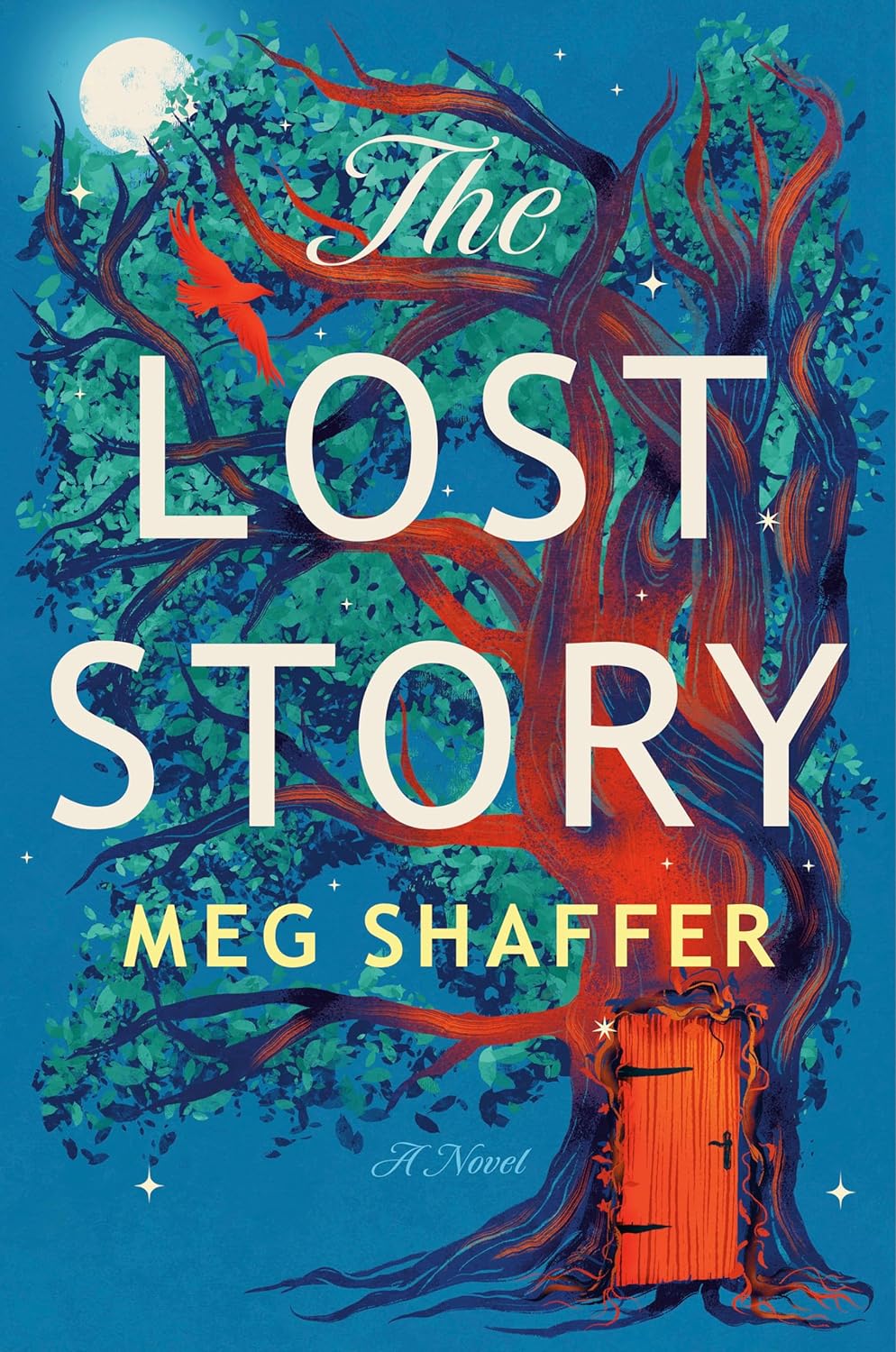
Meg Shaffer built her reputation on The Wishing Game, and here she deepens her signature move: taking the machinery of children's fantasy and pointing it at grown men who never got to properly grieve their childhoods. The setup borrows openly from Peter Pan and Narnia-style portal mythology, but Shaffer's real interest is in the after, what happens to the kids who came back different, and were never quite believed or understood. Readers of Erin Morgenstern's The Night Circus or V.E. Schwab's more tender fantasy work will recognize the impulse to smuggle real emotional stakes inside a magical premise, though Shaffer's prose stays warmer and more grounded than either. What elevates The Lost Story beyond a nostalgia trip is its clear-eyed handling of trauma and masculinity. Jeremy and Rafe love each other in a way the book takes seriously without ever being saccharine about it, and their fractured adult lives feel like plausible consequences rather than plot convenience. The mystery-girl thread gives the book urgency without overwhelming its central relationship. This is a great pick for readers who loved the emotional generosity of The Midnight Library by Matt Haig or the wounded found-family dynamics in Piranesi by Susanna Clarke, but want something a little more accessible and hopeful. Fans of grown-up fairy tales with real heart will find plenty to love here.