Our Take
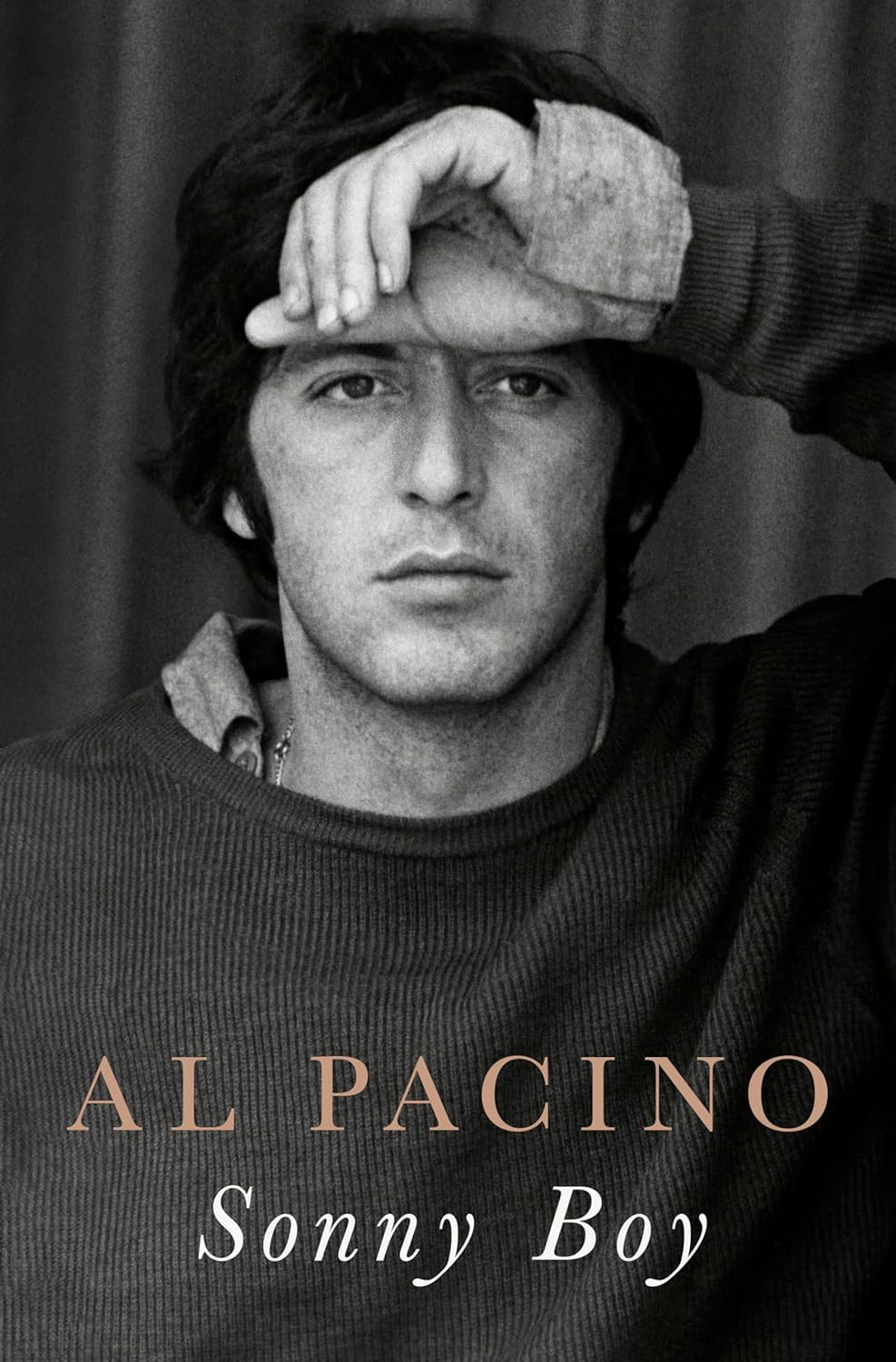
What makes Sonny Boy stand apart from the standard celebrity memoir is how unmistakably it sounds like Pacino himself talking, unfiltered, tangential, occasionally contradicting himself, and never quite polished into a tidy narrative arc. That rawness is the book's biggest strength. Rather than a chronological highlight reel of awards and premieres, it reads like sitting across from him at a diner at 2am while he works through six decades of memory in real time. Fans of actor memoirs like Patti Smith's Just Kids or Matthew Perry's Friends, Lovers, and the Big Terrible Thing will recognize the same appeal here: a famous person willing to admit the parts of their story that don't flatter them. Pacino doesn't sanitize his struggles with addiction or his years of financial instability even after stardom, and that honesty gives the book weight beyond typical Hollywood gossip. Stylistically, it's loose and conversational rather than literary, which will delight some readers and frustrate others expecting a more structured narrative. But that looseness feels intentional, matching the restless energy of a man who's spent his life chasing something just out of reach on screen. This is a strong pick for film buffs, longtime Pacino fans, and anyone drawn to memoirs that trade polish for honesty. Readers who loved Robert De Niro's press interviews or Sean Penn profiles for their unvarnished candor will find a kindred spirit here.